










Mission Complete
Setting the Stage for Long-Term Stewardship
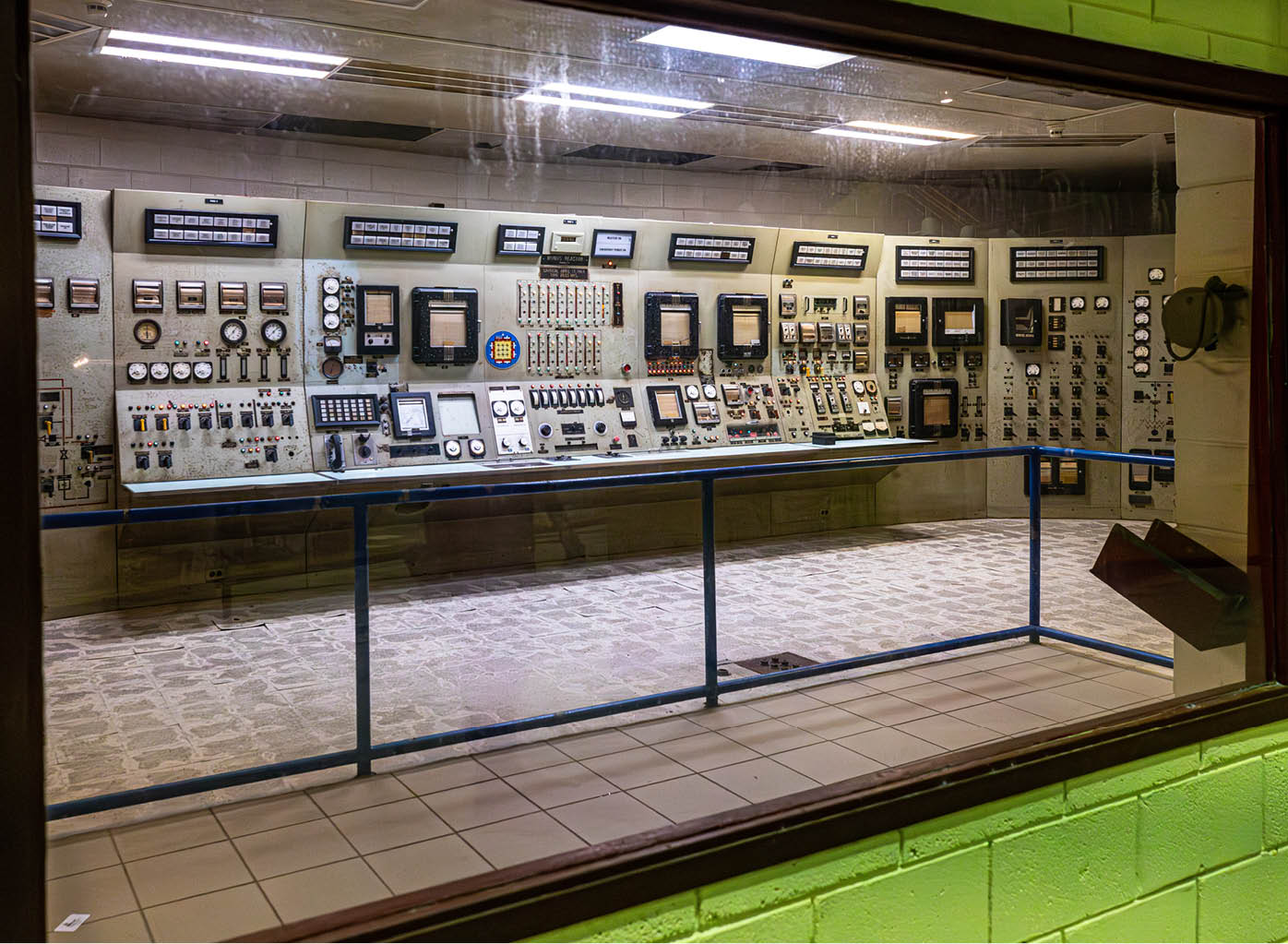
BONUS reached its goal of demonstrating the integral boiling-superheating concept. However, it was decided that operating BONUS would not be possible in the long-term. Ongoing technical challenges and expensive repairs made running the reactor difficult and costly. After four years of operating, the BONUS reactor was shut down in June 1968.
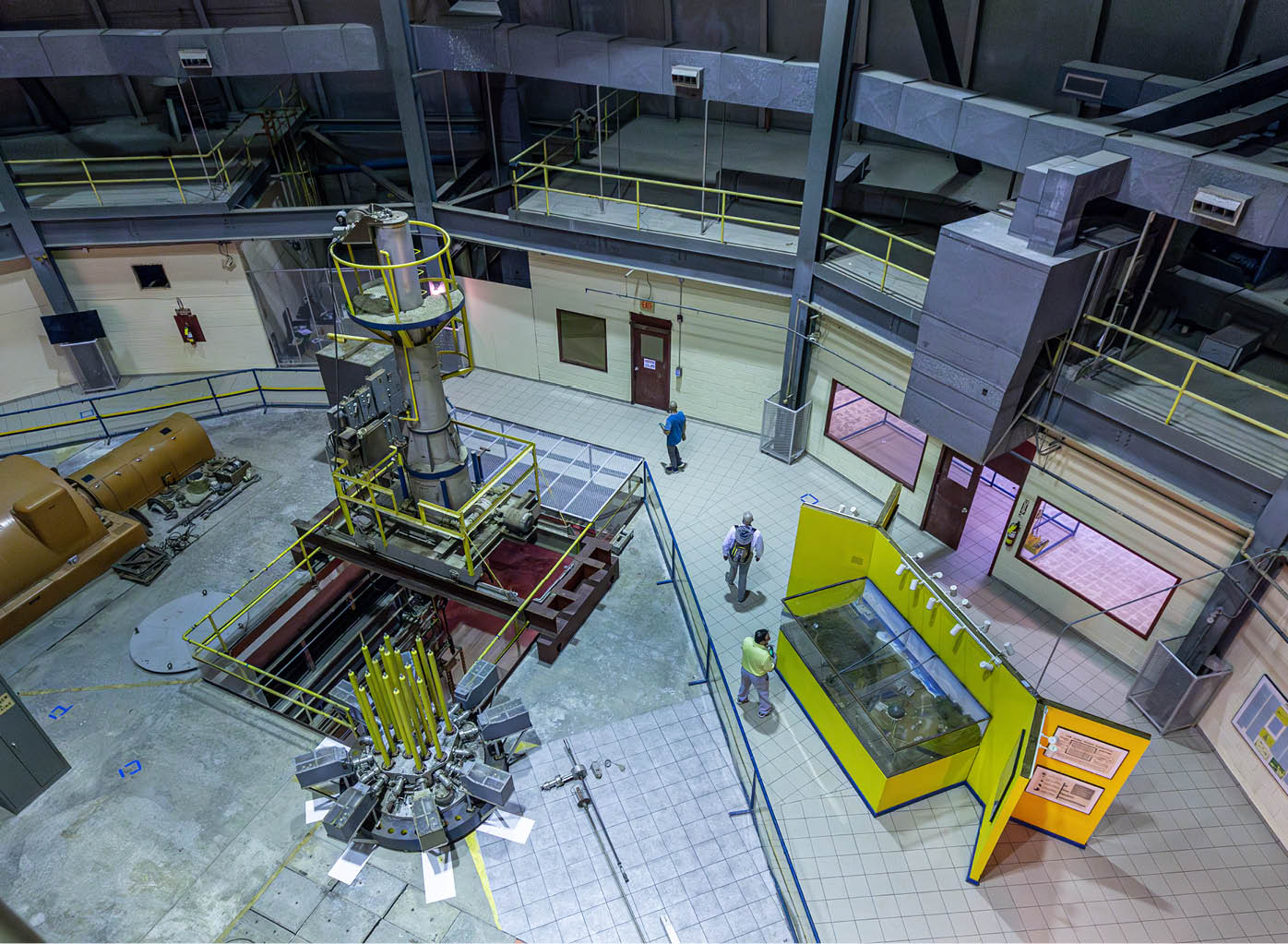
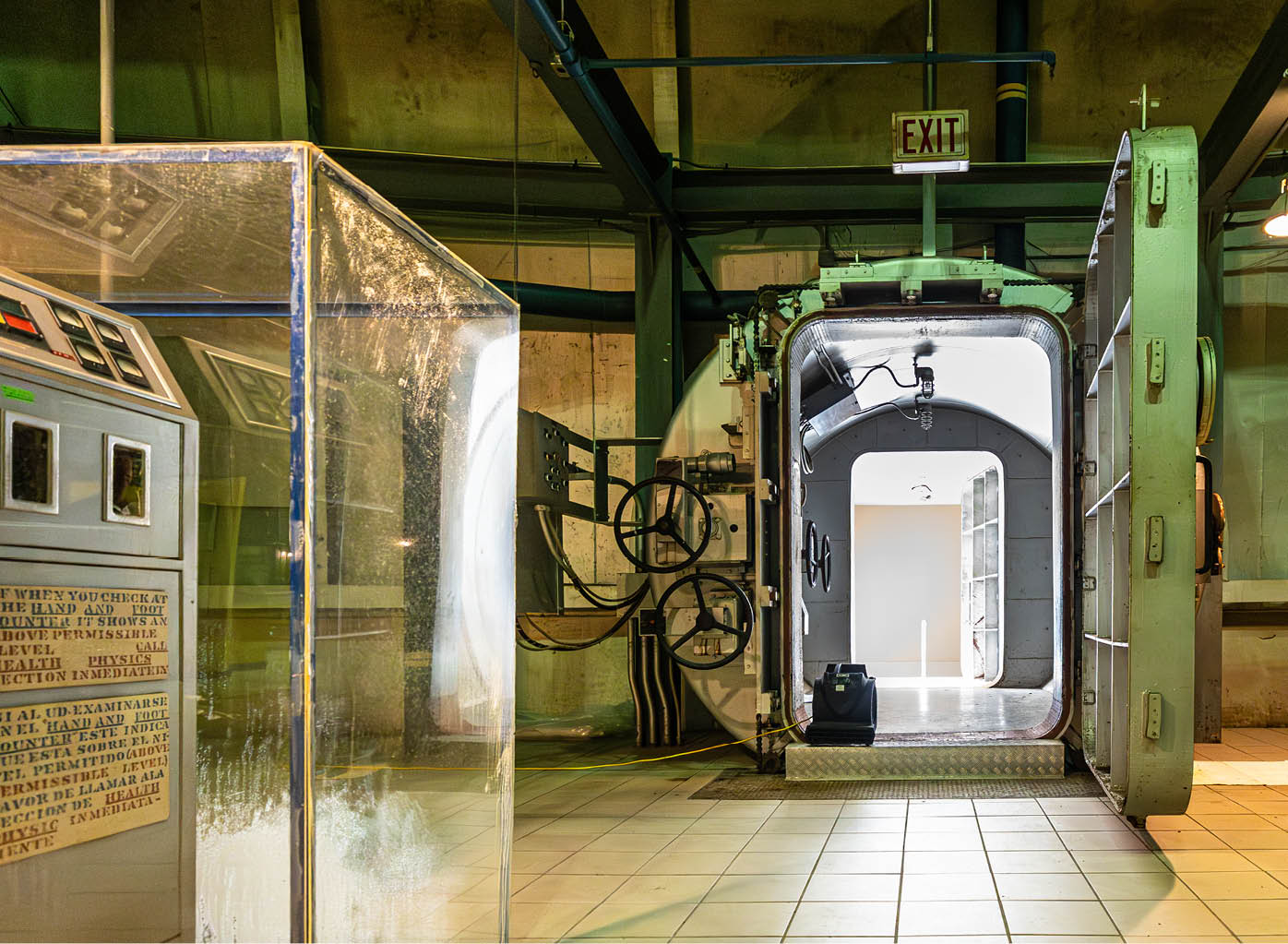
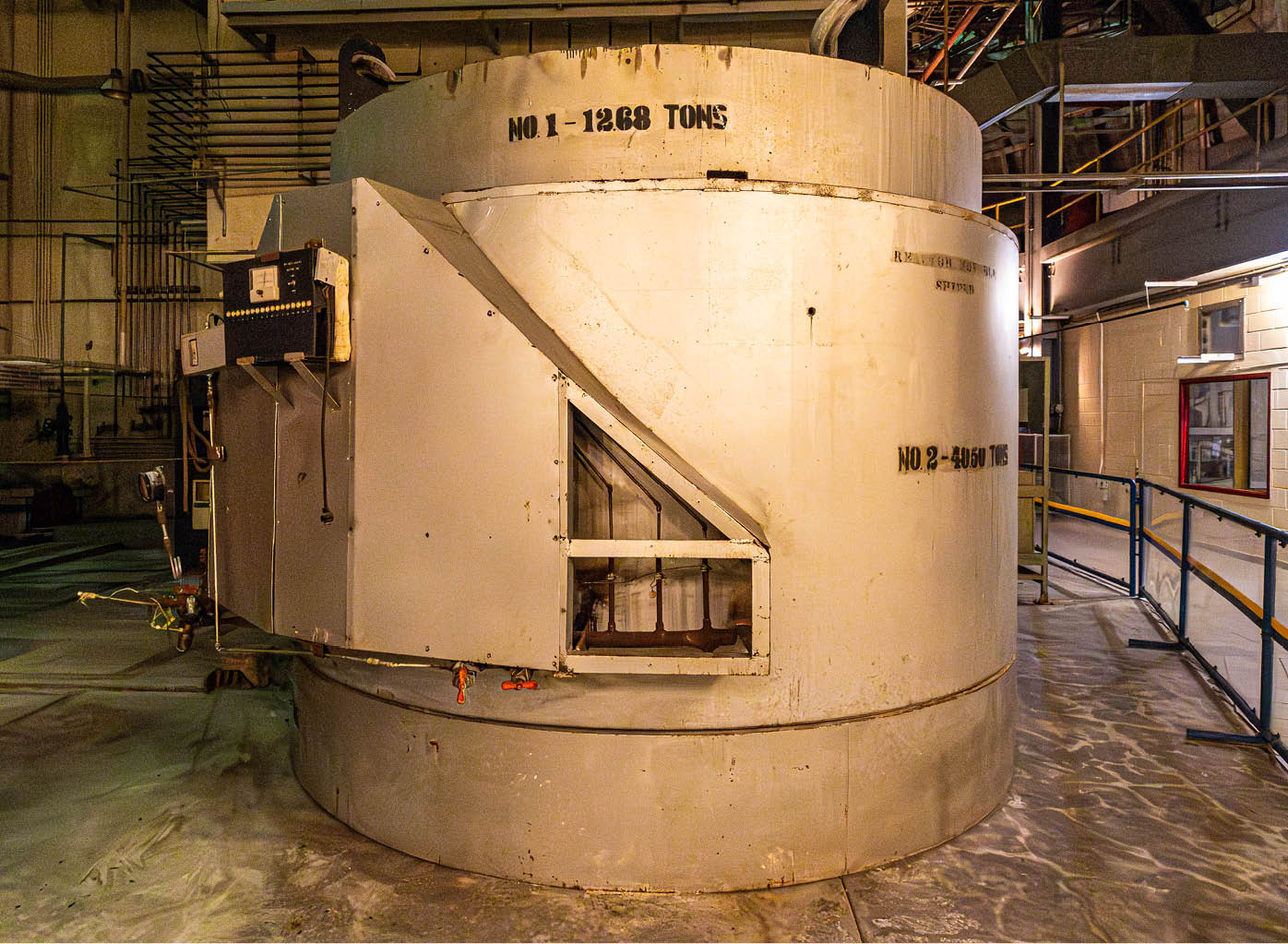
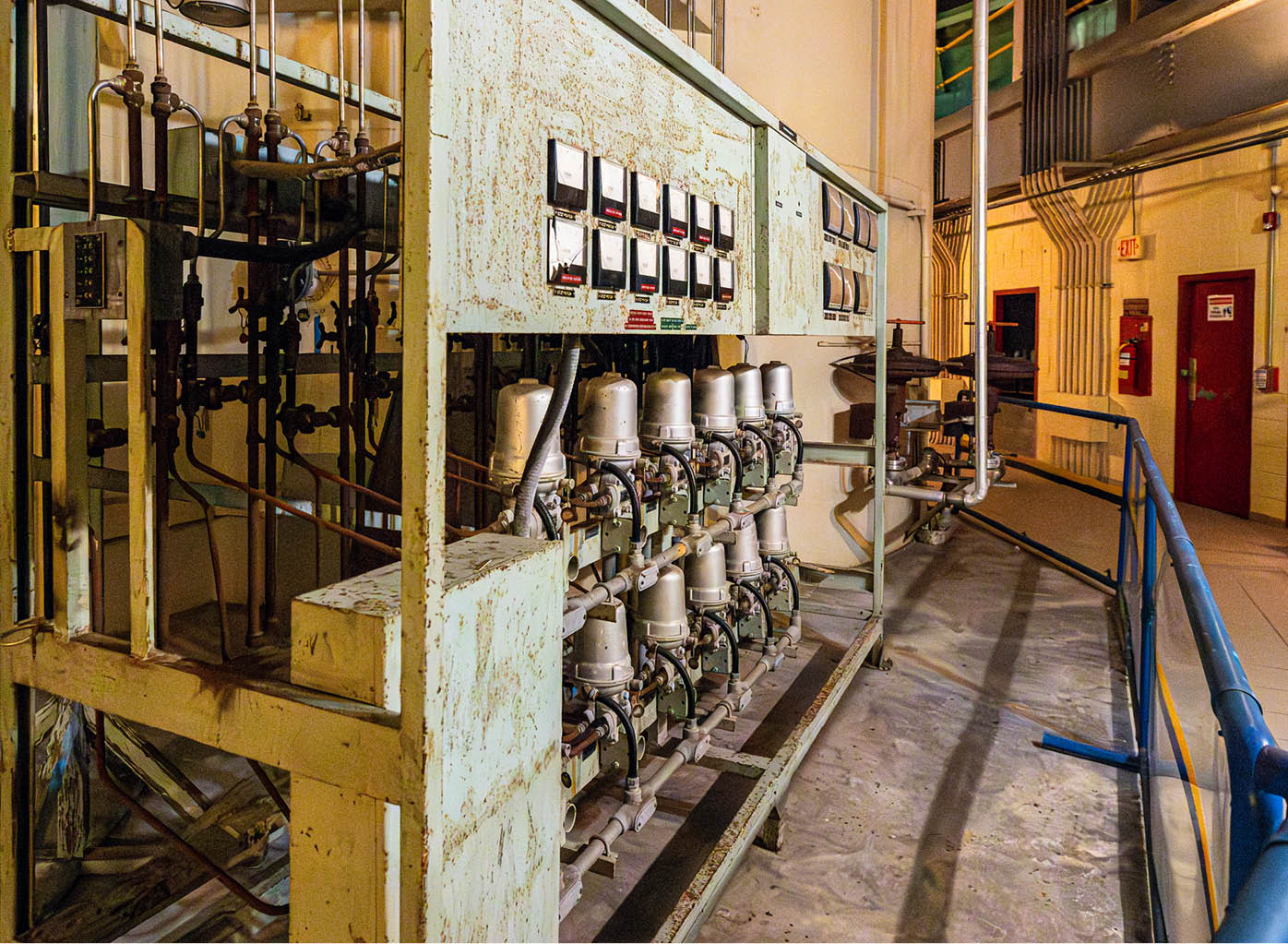
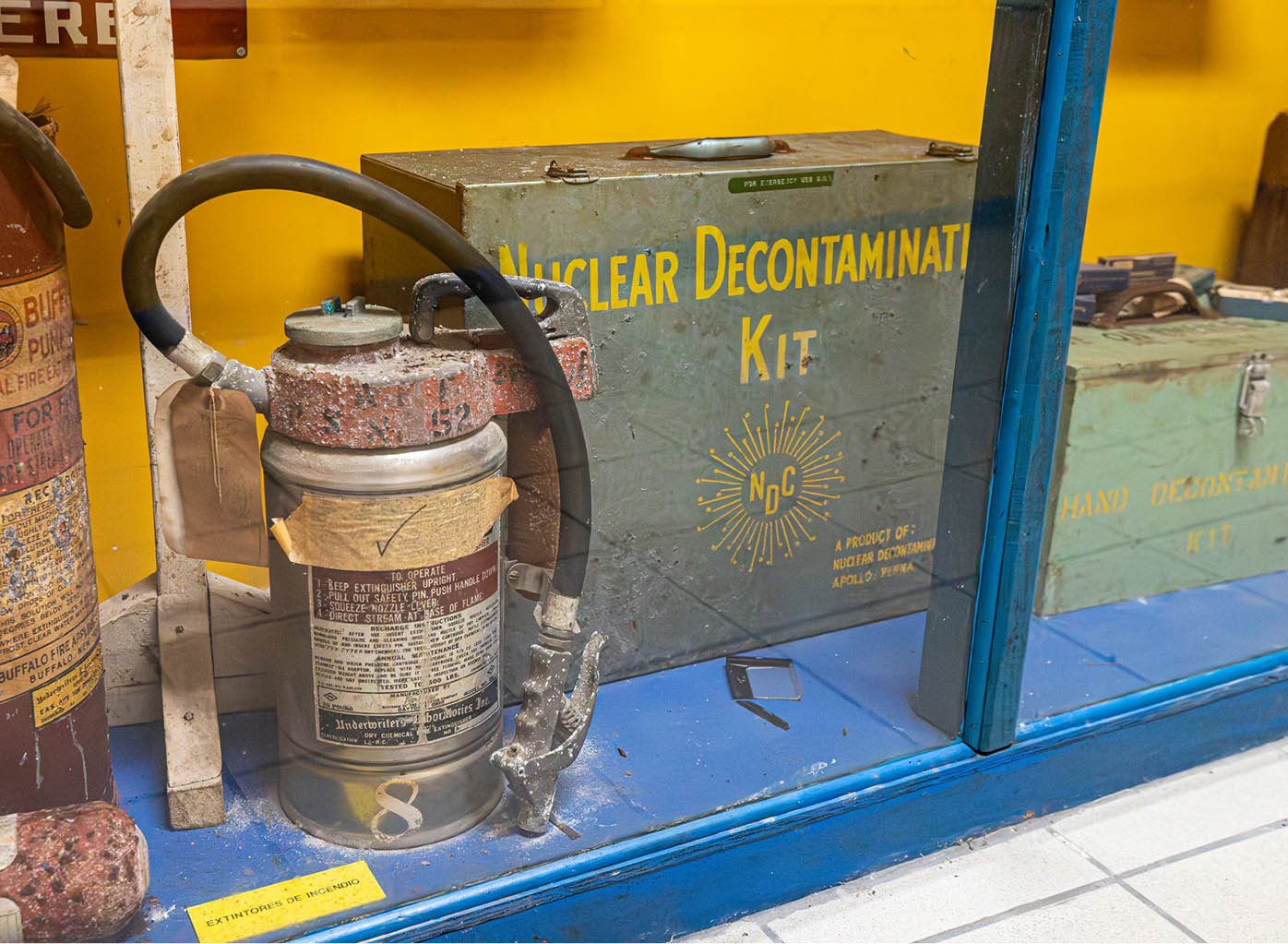
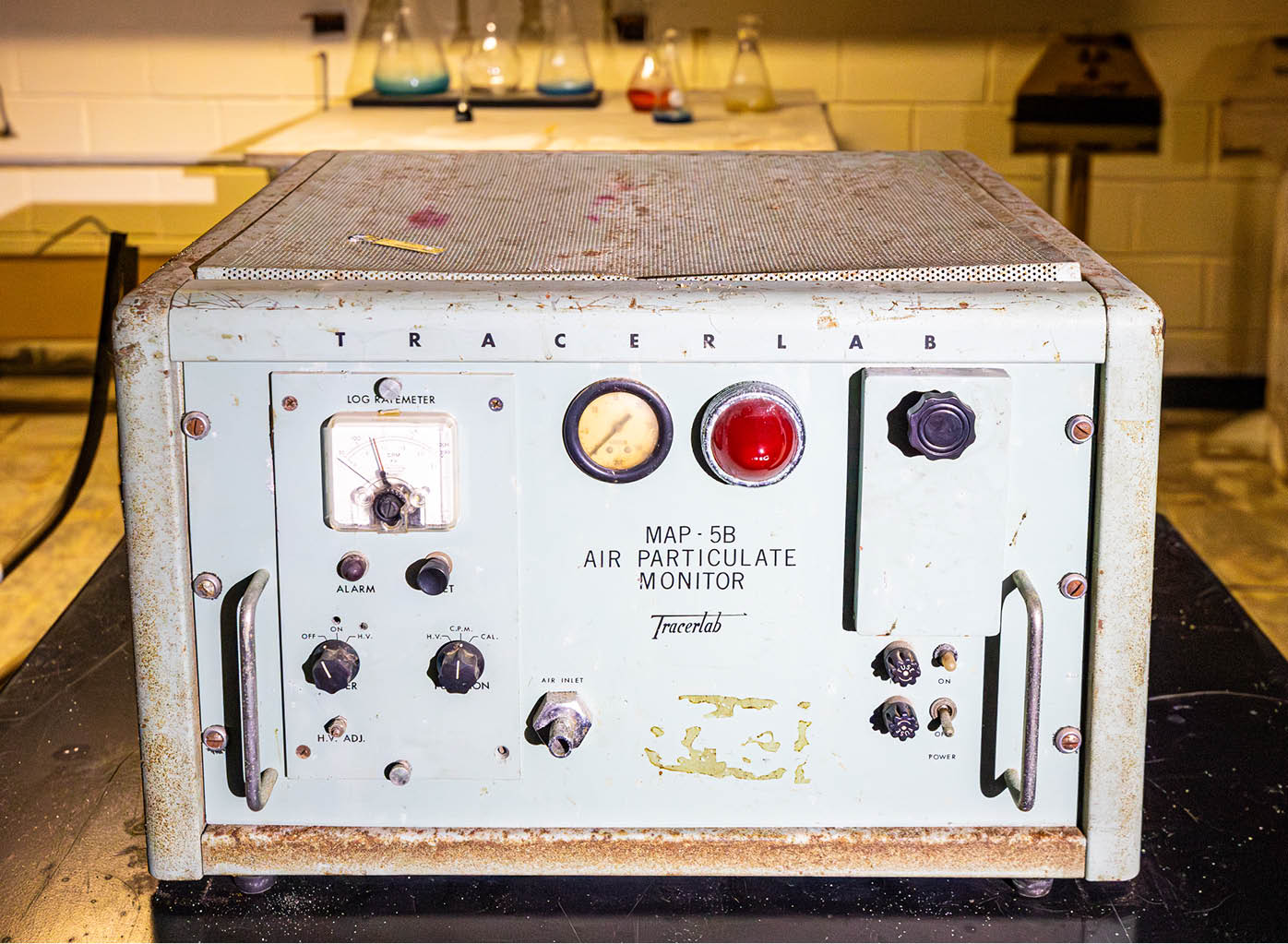
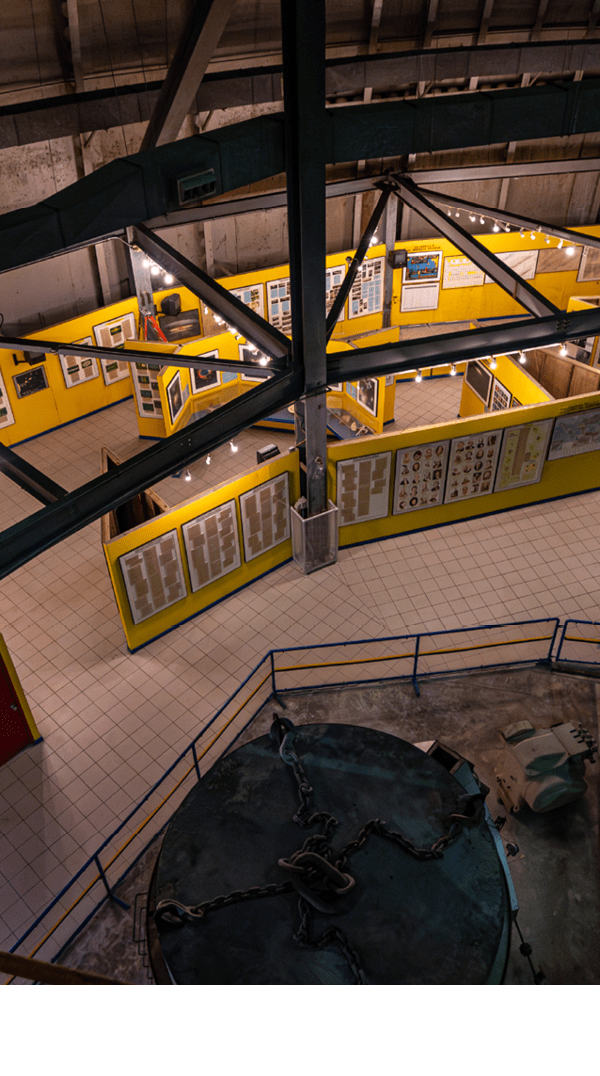
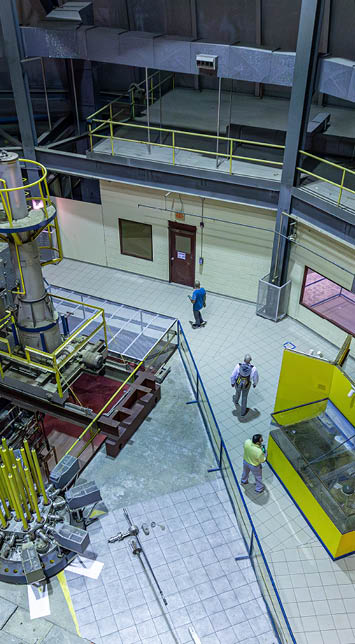
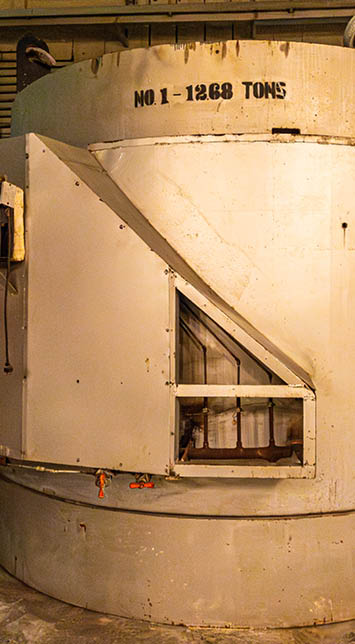
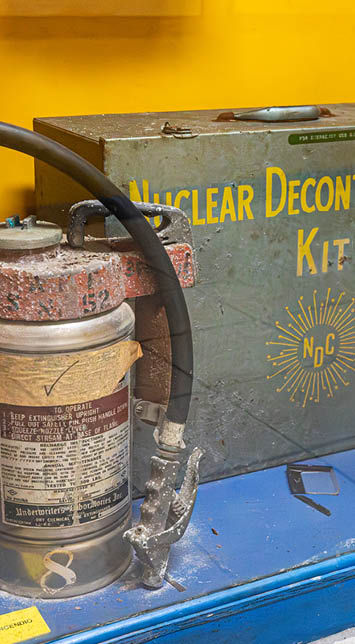
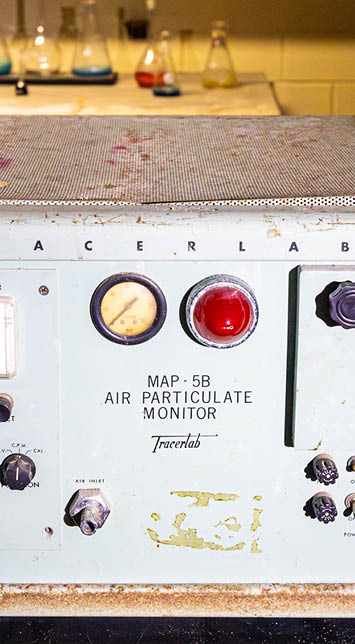
The Puerto Rico Water Resources Authority (PRWRA) oversaw the reactor shutdown between 1969 and 1970. During shutdown, all nuclear fuel was removed to the mainland United States and all pipes were cleaned. The reactor was encased in concrete, some low-level waste was entombed, and all other parts were decontaminated. The concrete cover, approved by the U.S. Nuclear Regulatory Commission, was engineered to last 140 years.
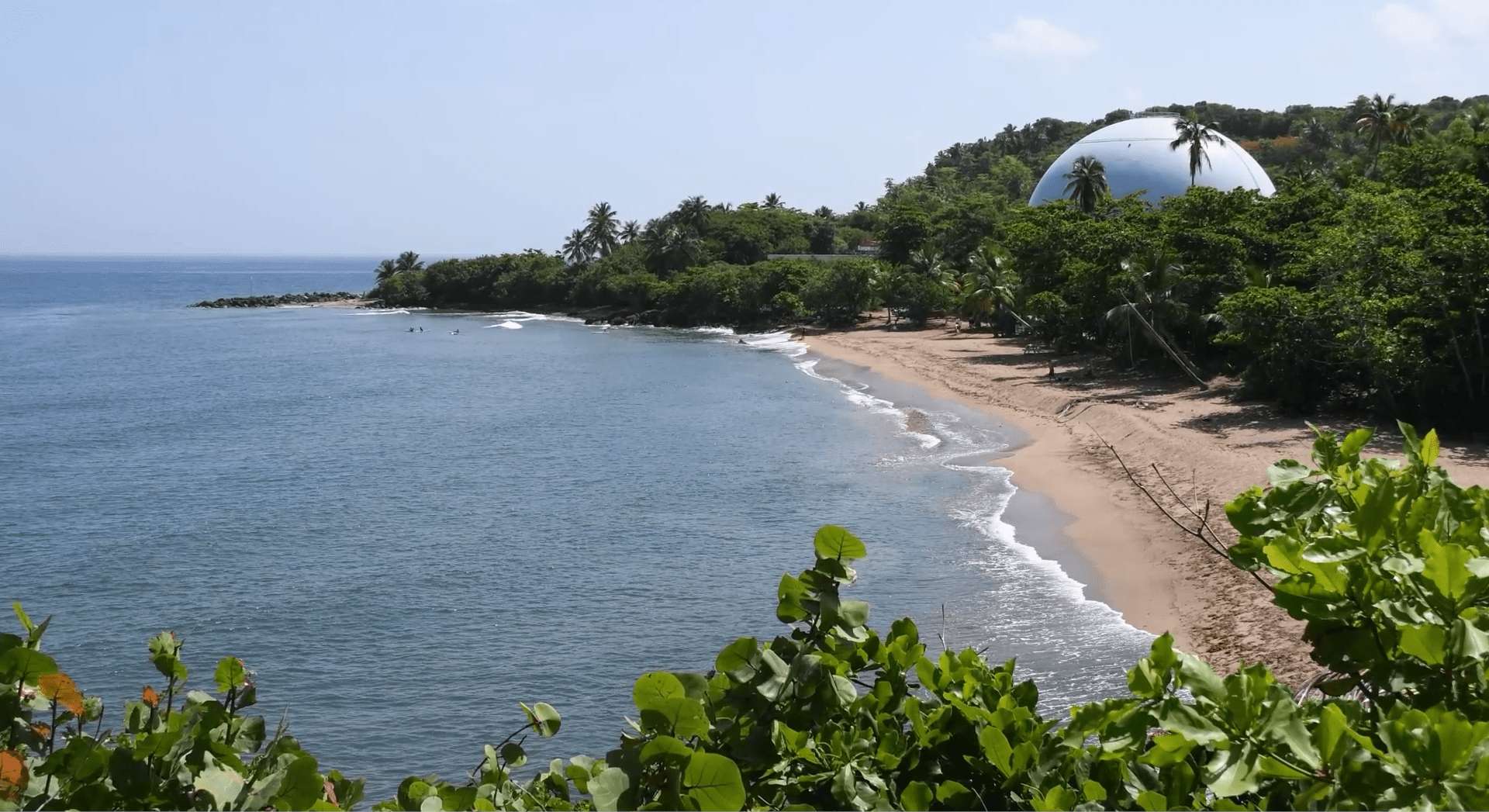
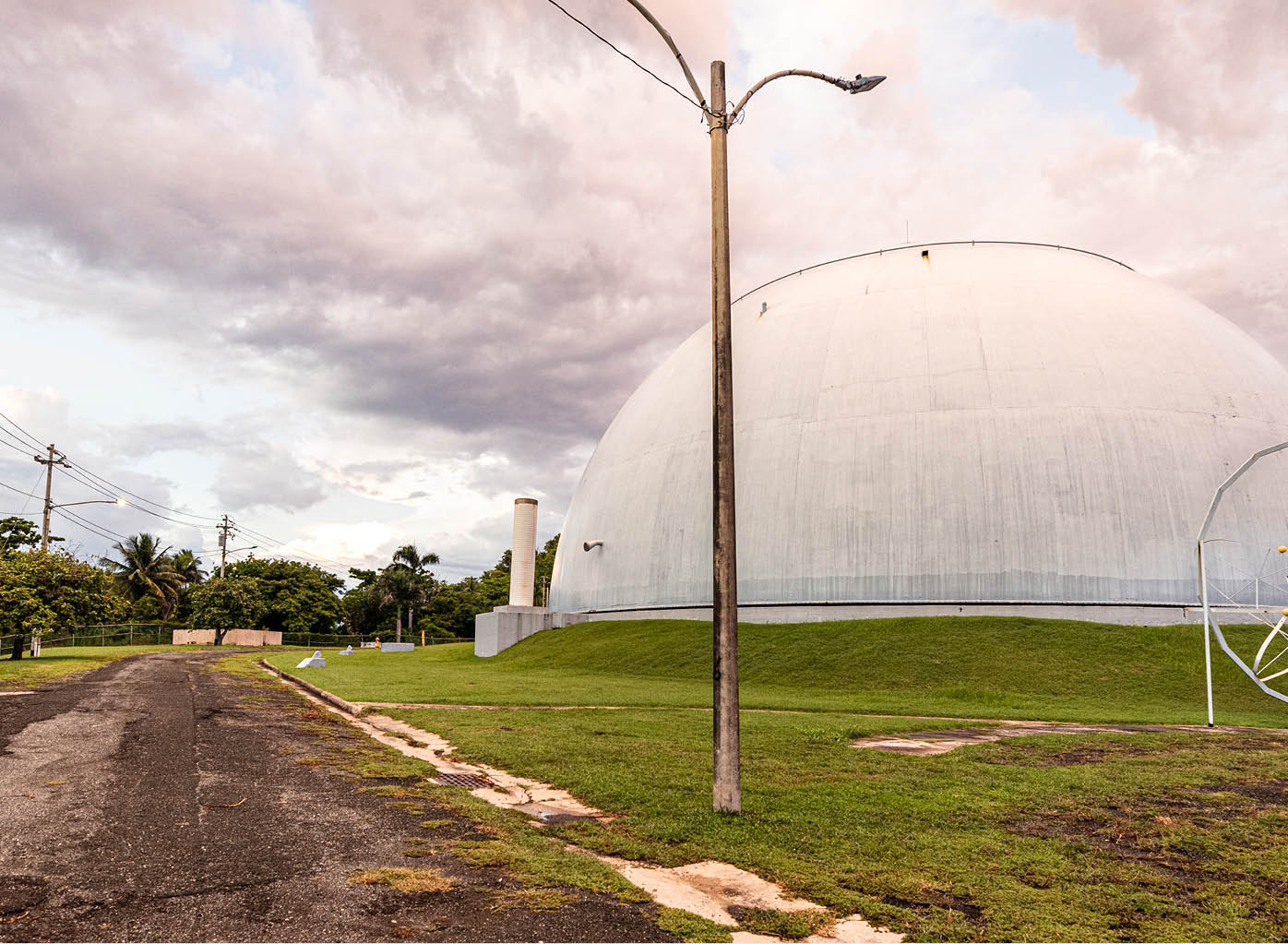
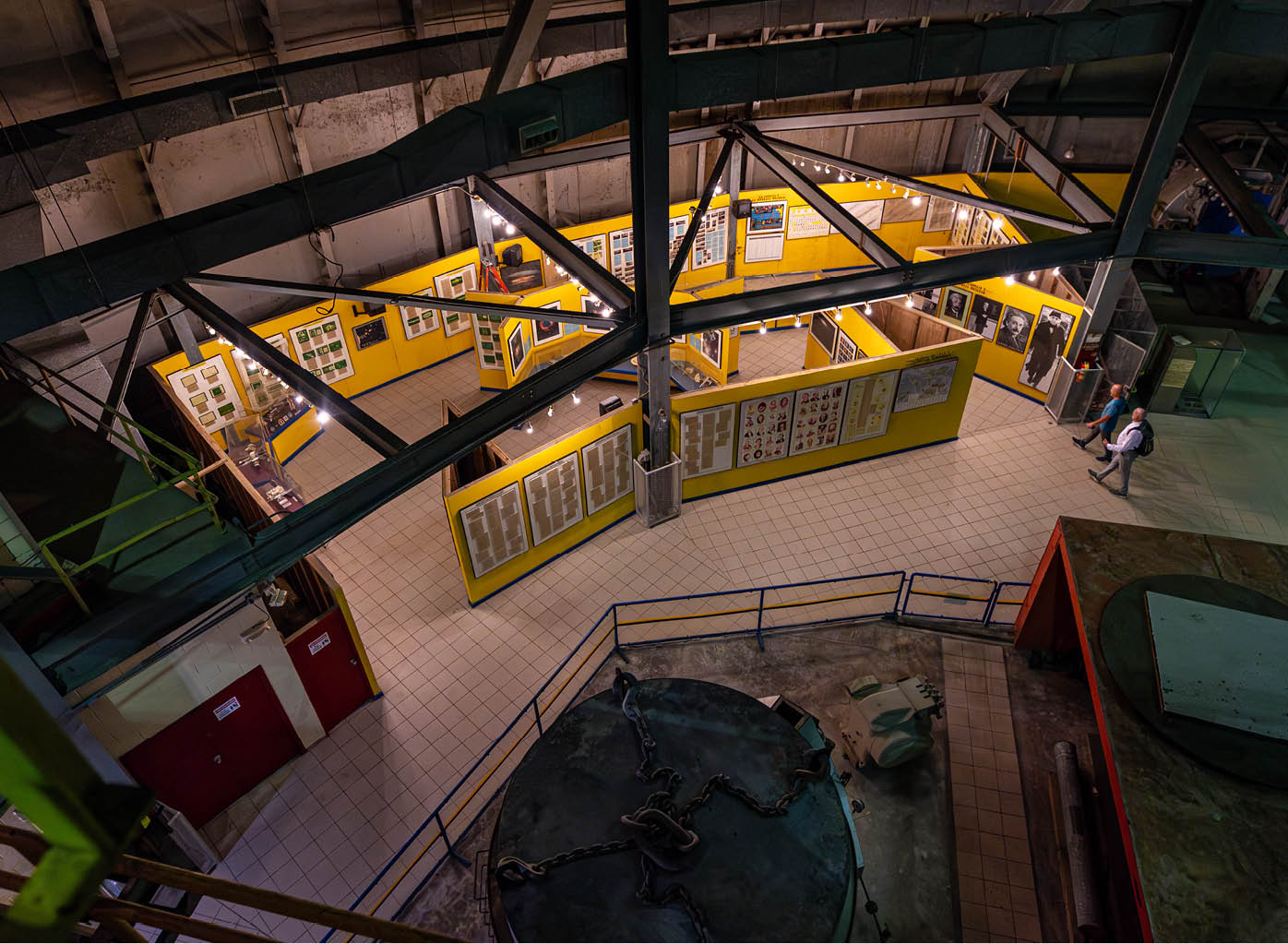
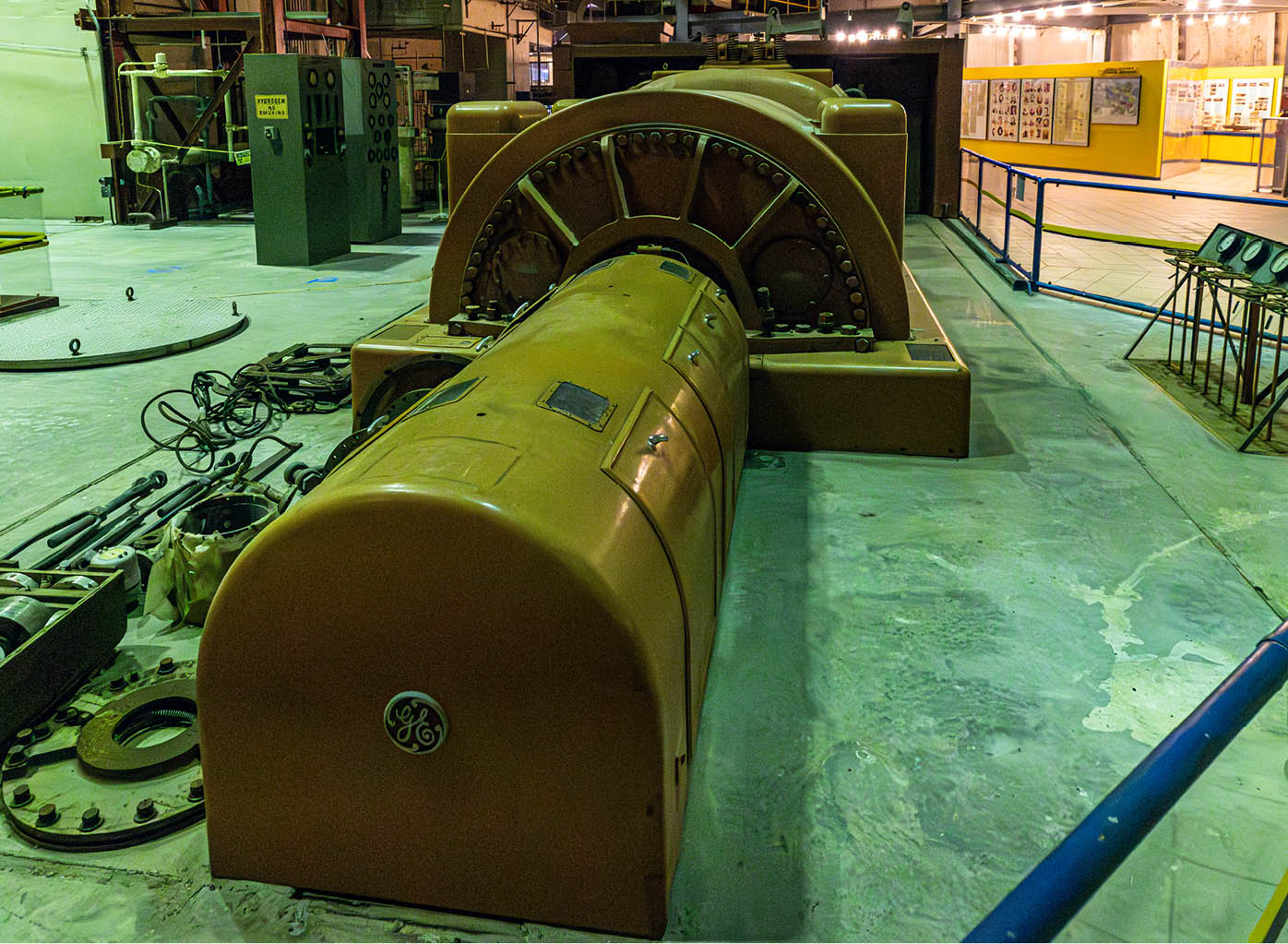
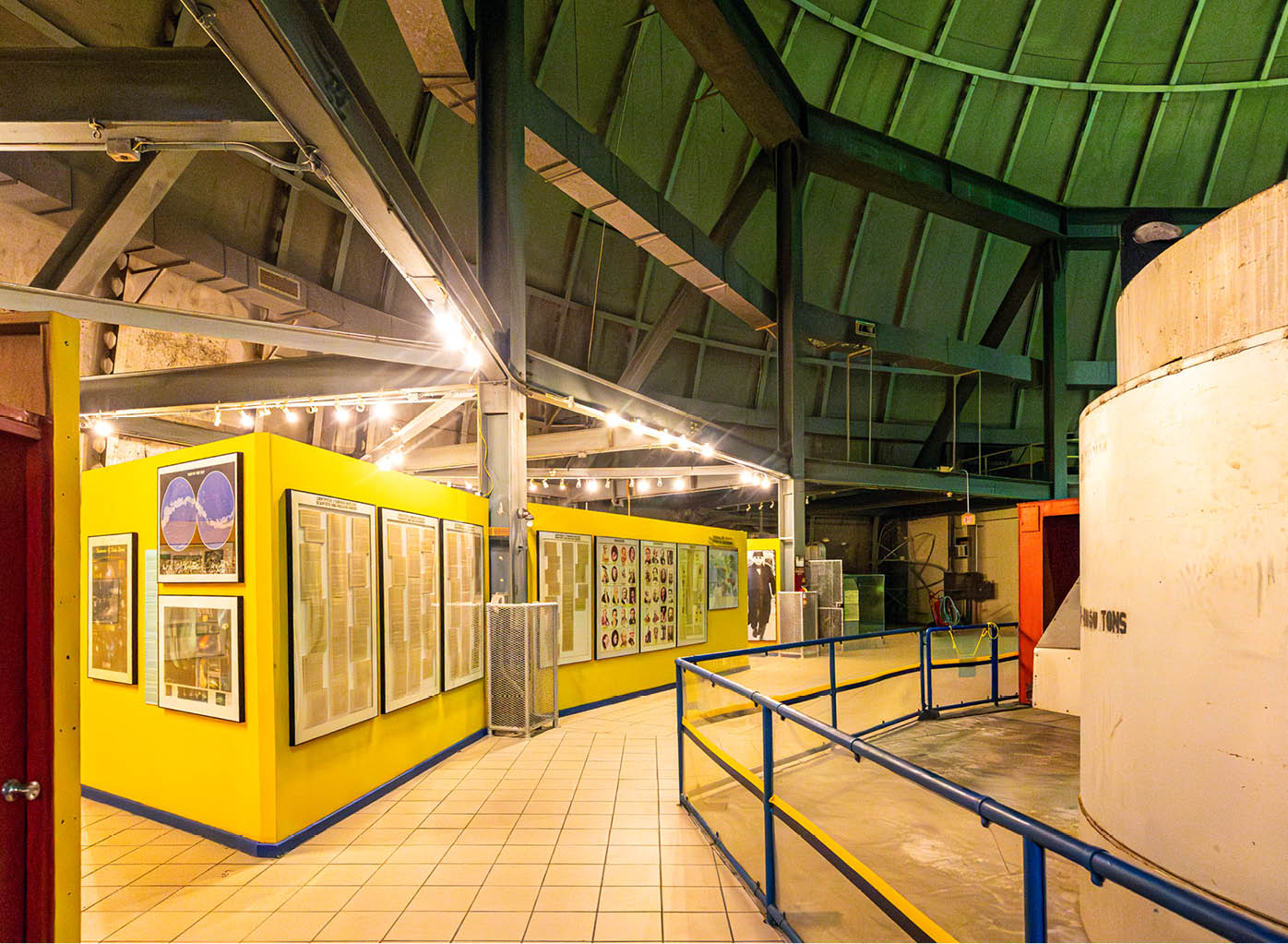
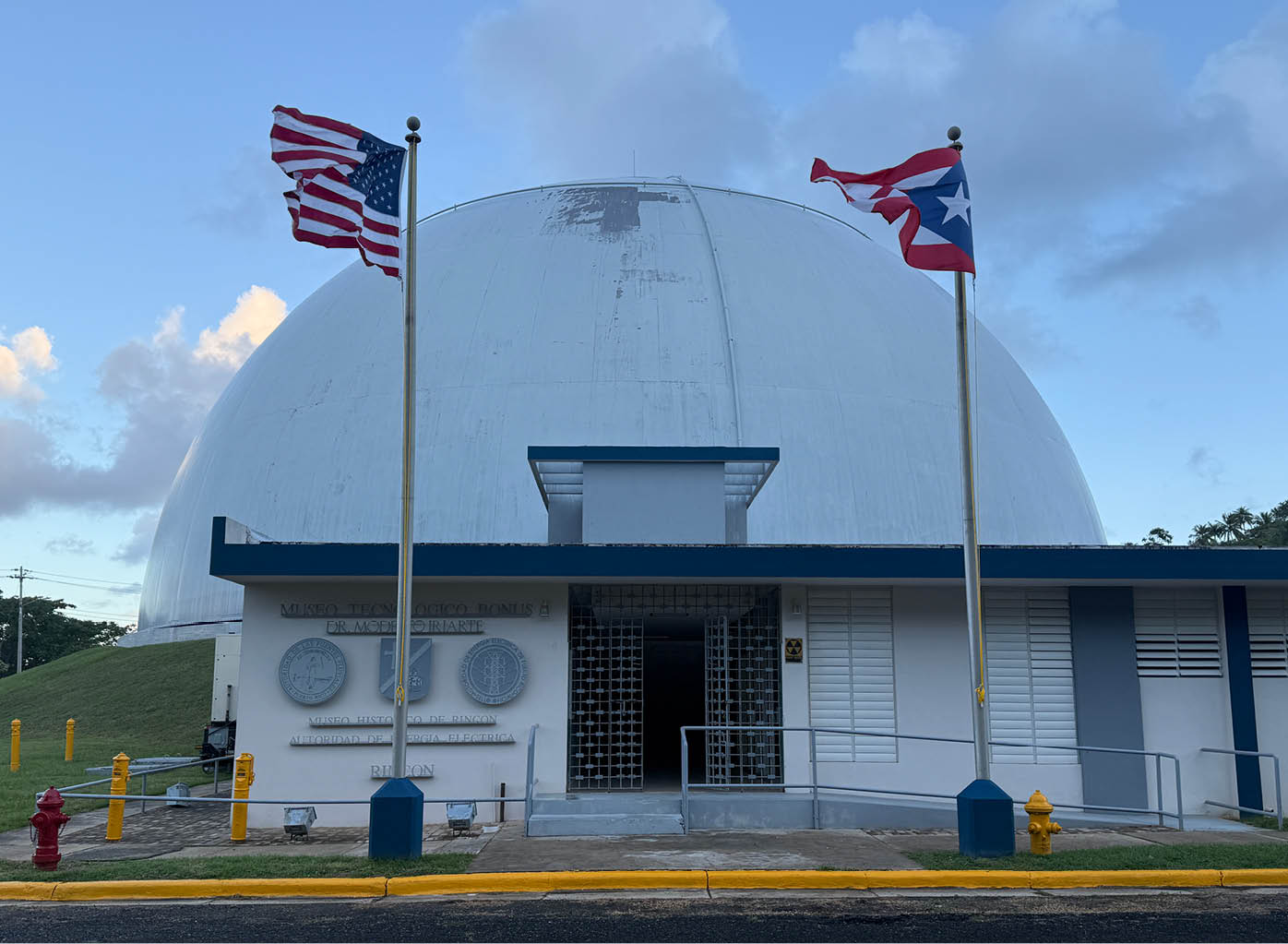
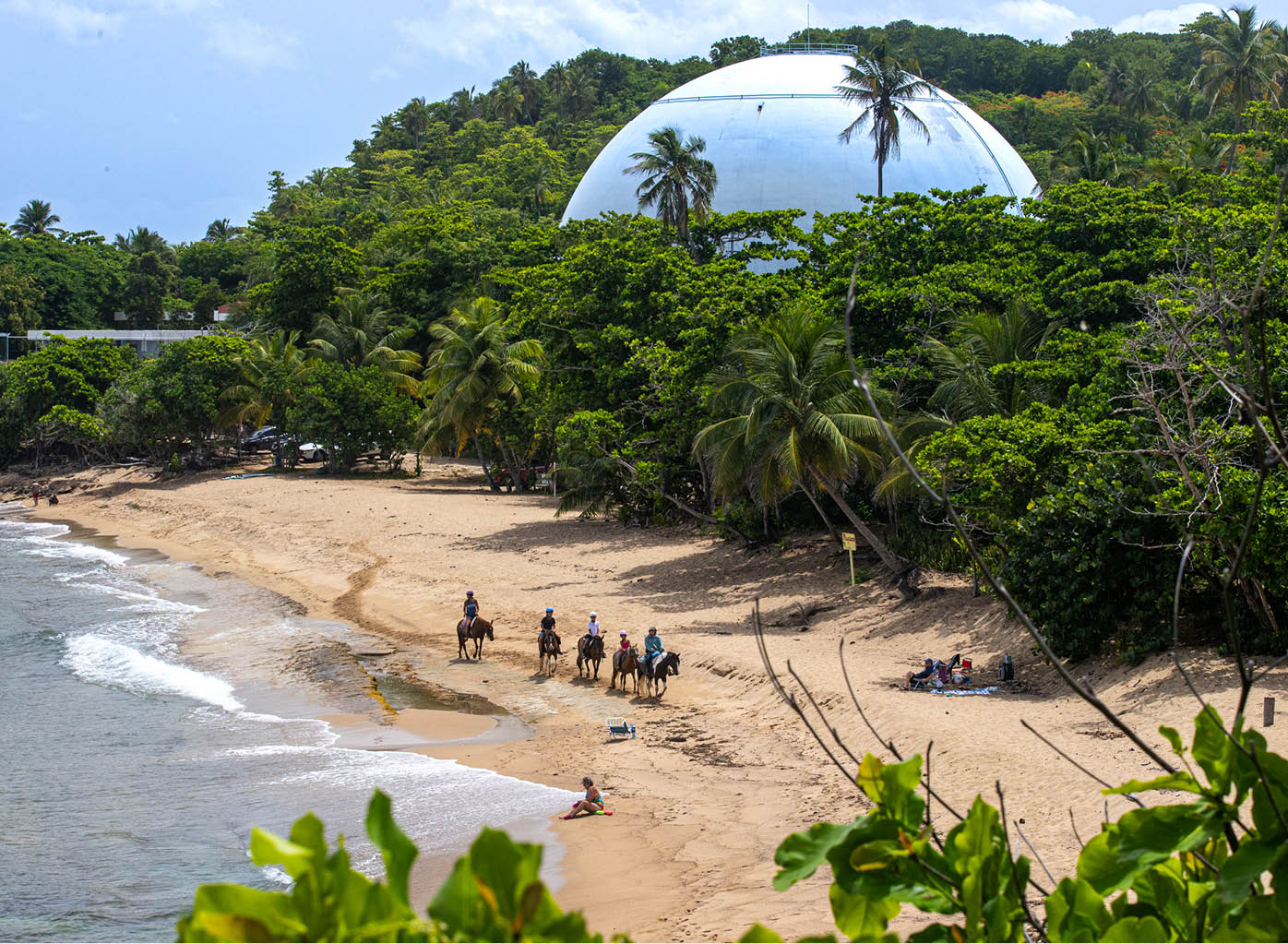
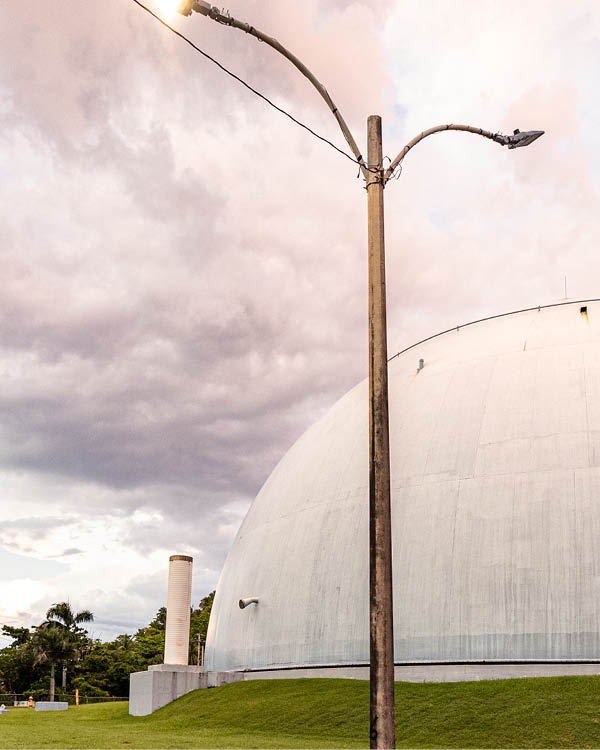
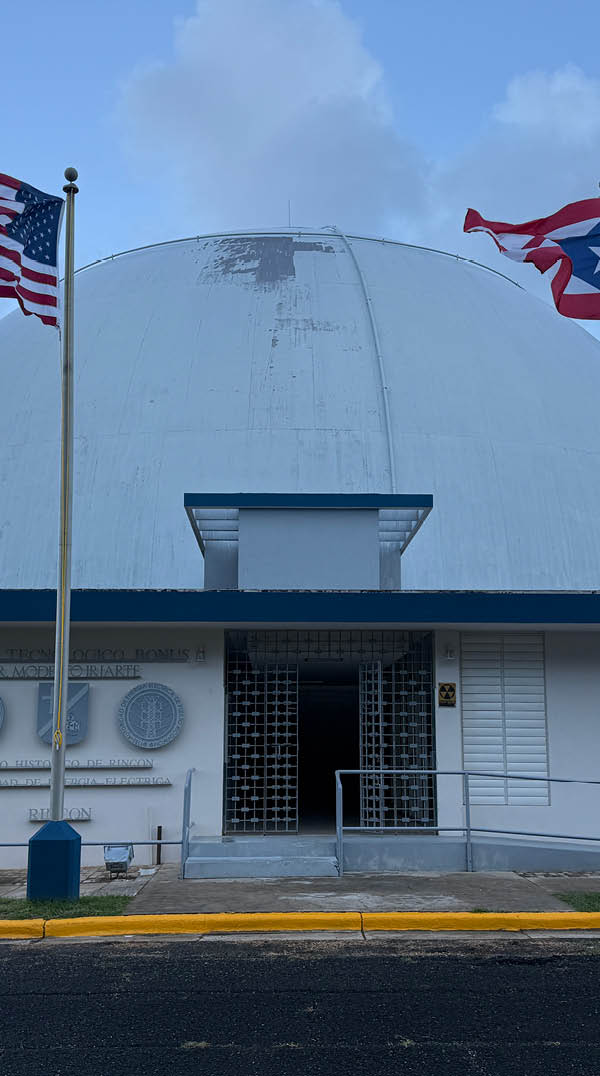
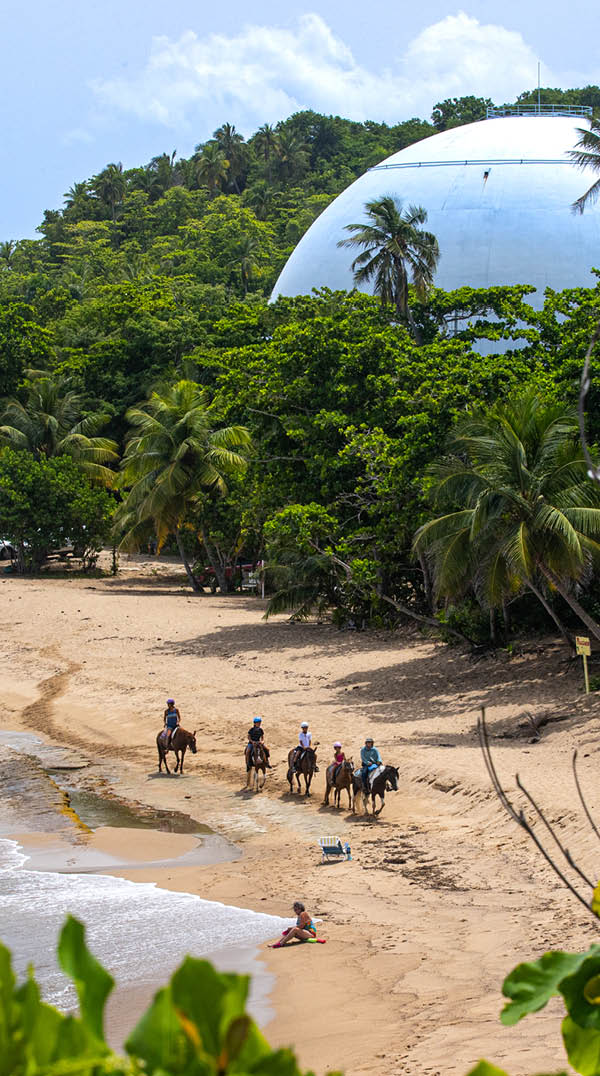
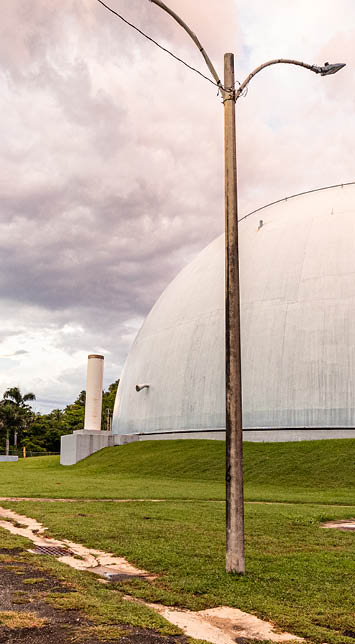
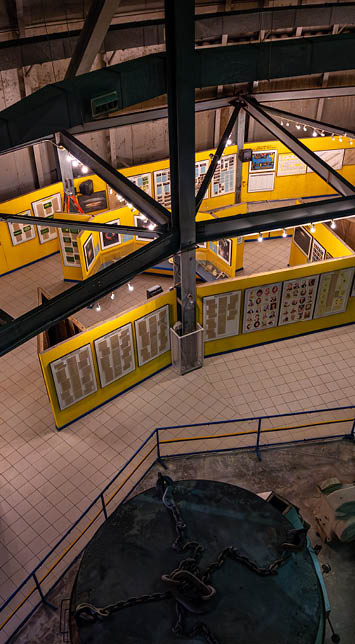
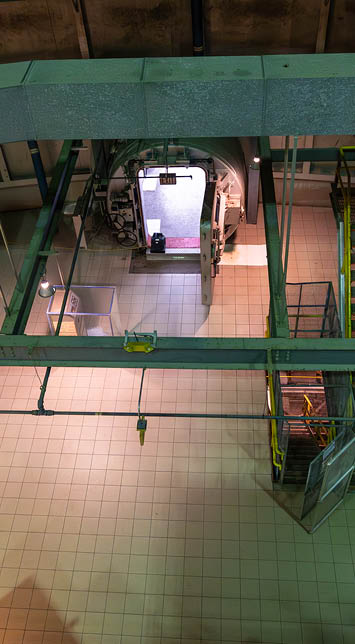
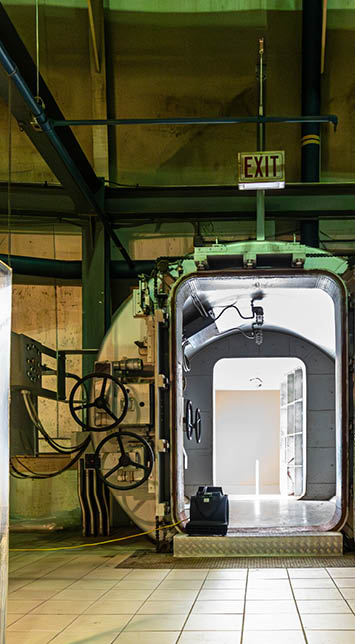
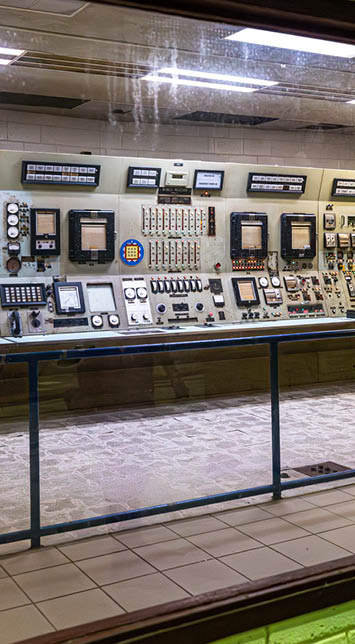
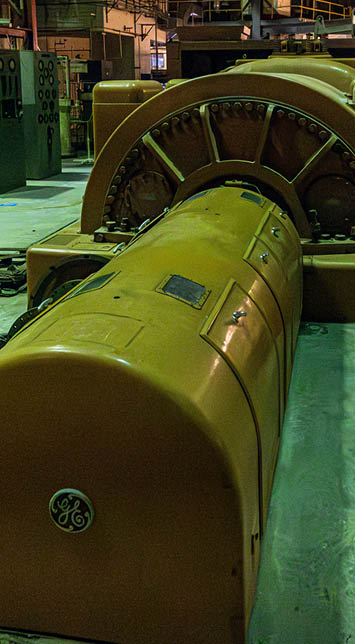
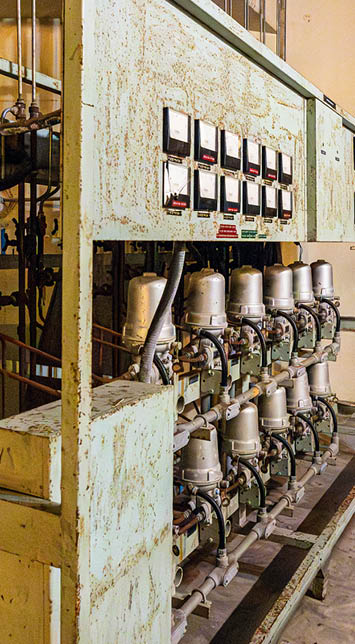
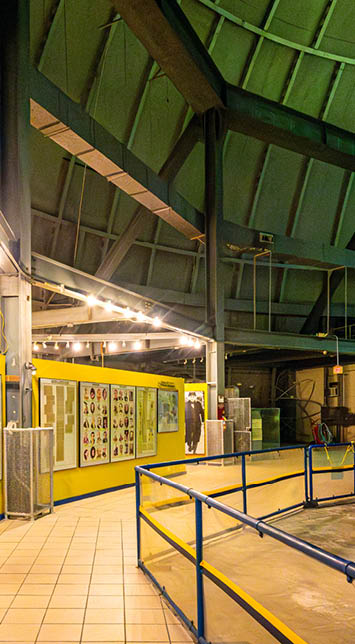
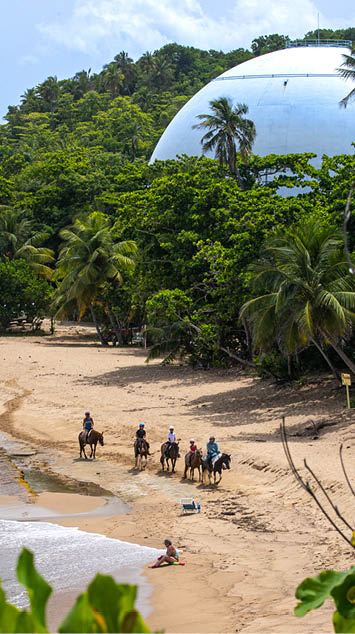
The BONUS site has remained secure and maintained for nearly 60 years. The covered reactor and steel containment dome are in good condition. In 2007, the BONUS site was added to the National Register of Historic Places for its contributions to nuclear science and its historical importance to Puerto Rico and Latin America.
Read more about BONUS’ Long-Term Surveillance and Maintenance plan here.
View the BONUS site’s enrollment at the National Register of Historic Places.
Mission Complete
Setting the Stage for Long-Term Stewardship
BONUS reached its goal of demonstrating the integral boiling-superheating concept. However, it was decided that operating BONUS would not be possible in the long-term. Ongoing technical challenges and expensive repairs made running the reactor difficult and costly. After four years of operating, the BONUS reactor was shut down in June 1968.
The Puerto Rico Water Resources Authority (PRWRA) oversaw the reactor shutdown between 1969 and 1970. During shutdown, all nuclear fuel was removed to the mainland United States and all pipes were cleaned. The reactor was encased in concrete, some low-level waste was entombed, and all other parts were decontaminated. The concrete cover, approved by the U.S. Nuclear Regulatory Commission, was engineered to last 140 years.
The BONUS site has remained secure and maintained for nearly 60 years. The covered reactor and steel containment dome are in good condition. In 2007, the BONUS site was added to the National Register of Historic Places for its contributions to nuclear science and its historical importance to Puerto Rico and Latin America.
Mission Complete
Setting the Stage for Long-Term Stewardship
BONUS reached its goal of demonstrating the integral boiling-superheating concept. However, it was decided that operating BONUS would not be possible in the long-term. Ongoing technical challenges and expensive repairs made running the reactor difficult and costly. After four years of operating, the BONUS reactor was shut down in June 1968.
The Puerto Rico Water Resources Authority (PRWRA) oversaw the reactor shutdown between 1969 and 1970. During shutdown, all nuclear fuel was removed to the mainland United States and all pipes were cleaned. The reactor was encased in concrete, some low-level waste was entombed, and all other parts were decontaminated. The concrete cover, approved by the U.S. Nuclear Regulatory Commission, was engineered to last 140 years.
The BONUS site has remained secure and maintained for nearly 60 years. The covered reactor and steel containment dome are in good condition. In 2007, the BONUS site was added to the National Register of Historic Places for its contributions to nuclear science and its historical importance to Puerto Rico and Latin America.