
“The Commonwealth of Puerto Rico is vitally interested in atomic energy. We need continuously and intelligently to appraise the values for Puerto Rico of the proliferating series of applications of atomic energy in agriculture, in health, in industry and in power.
It is proposed that consideration be given by the Commission to the early establishment in Puerto Rico of a nuclear reactor and electric power generating station.”
Governor Luis Muñoz Marin, September 18, 1956
“The Commonwealth of Puerto Rico is vitally interested in atomic energy. We need continuously and intelligently to appraise the values for Puerto Rico of the proliferating series of applications of atomic energy in agriculture, in health, in industry and in power.
It is proposed that consideration be given by the Commission to the early establishment in Puerto Rico of a nuclear reactor and electric power generating station.”
Governor Luis Muñoz Marin, September 18, 1956
“The Commonwealth of Puerto Rico is vitally interested in atomic energy. We need continuously and intelligently to appraise the values for Puerto Rico of the proliferating series of applications of atomic energy in agriculture, in health, in industry and in power.
It is proposed that consideration be given by the Commission to the early establishment in Puerto Rico of a nuclear reactor and electric power generating station.”
Governor Luis Muñoz Marin, September 18, 1956
New Ideas for a Changing World
“Atoms for Peace” Fuels Energy Production and Cools Global Tension
The world was changing rapidly in the decades after World War II. The U.S. and the Soviet Union’s rivalry kicked off the Cold War, resulting in an increase of nuclear weapons and widespread fears of nuclear war.
To ease tensions and fears, programs like President Dwight Eisenhower’s “Atoms for Peace” encouraged safe and productive uses of atomic science, such as nuclear energy. Aiming to combat the spread of communism while developing a nuclear future, the U.S. invested massive resources at home and around the globe, including in U.S. territory of Puerto Rico.
Operation Bootstrap
Energy Technology Was Seen as the Future for Puerto Rico
Puerto Rico was also changing quickly in the years after World War II. The island was originally a farming economy producing a variety of agricultural goods. However, in the 1940s and 50s Puerto Rico’s first elected governor, Luis Muñoz Marin, wanted to promote industry through a program called “Operation Bootstrap.”
A large campaign was launched to shift Puerto Rico’s economy toward industry. With the help of the government, the island was advertised as attractive to Americans and international investors. The idea that Puerto Rico possessed new, high-end technology was an important part of Operation Bootstrap.
As part of the program, Governor Muñoz wanted to attract American energy investment to Puerto Rico. In the late 1950s, he successfully petitioned members of the United States government, especially the Atomic Energy Commission (AEC), to establish a nuclear reactor on the island. Thus, the idea for the BONUS plant was born.

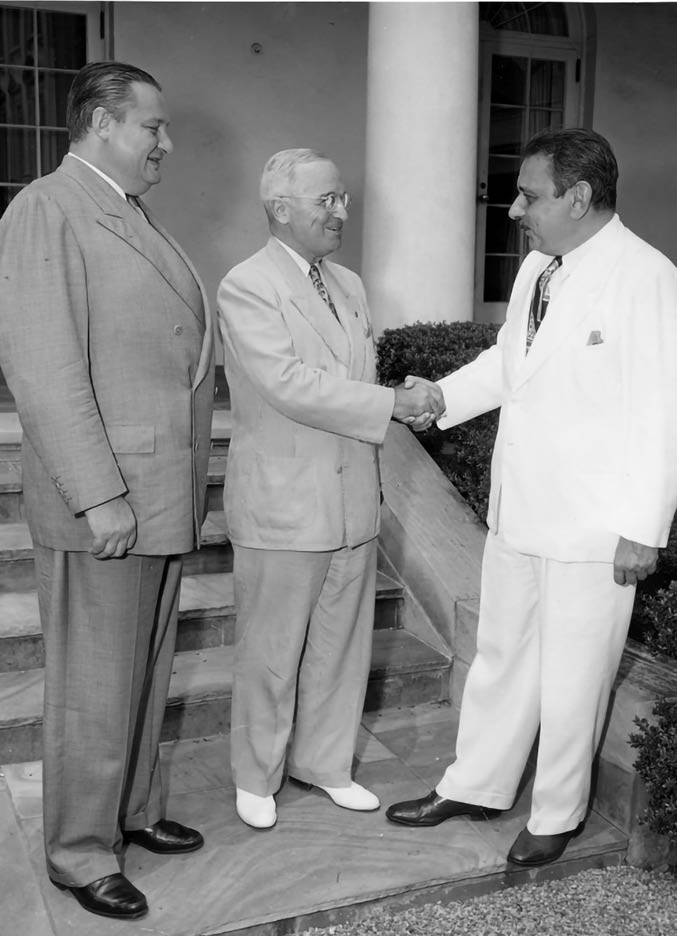
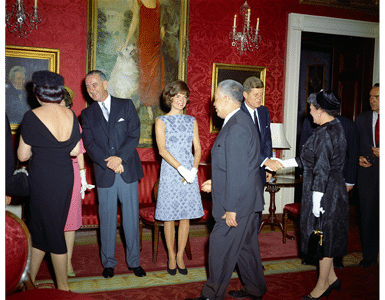
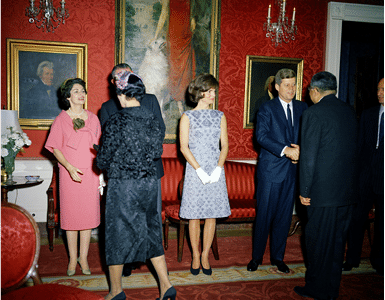
Photo of Puerto Rico’s first elected Governor, Luis Munoz Marin (right),
being greeted by President Harry S. Truman at the White House. On the left is Secretary of the Interior J.A. Krug.

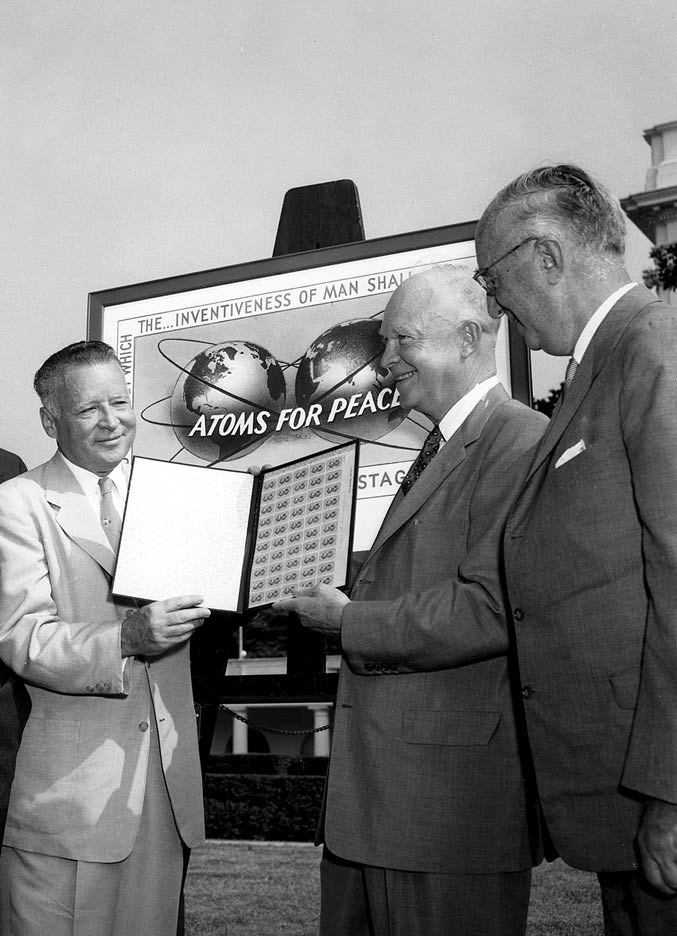
President Eisenhower receives an album of Atoms-for-Peace stamps.

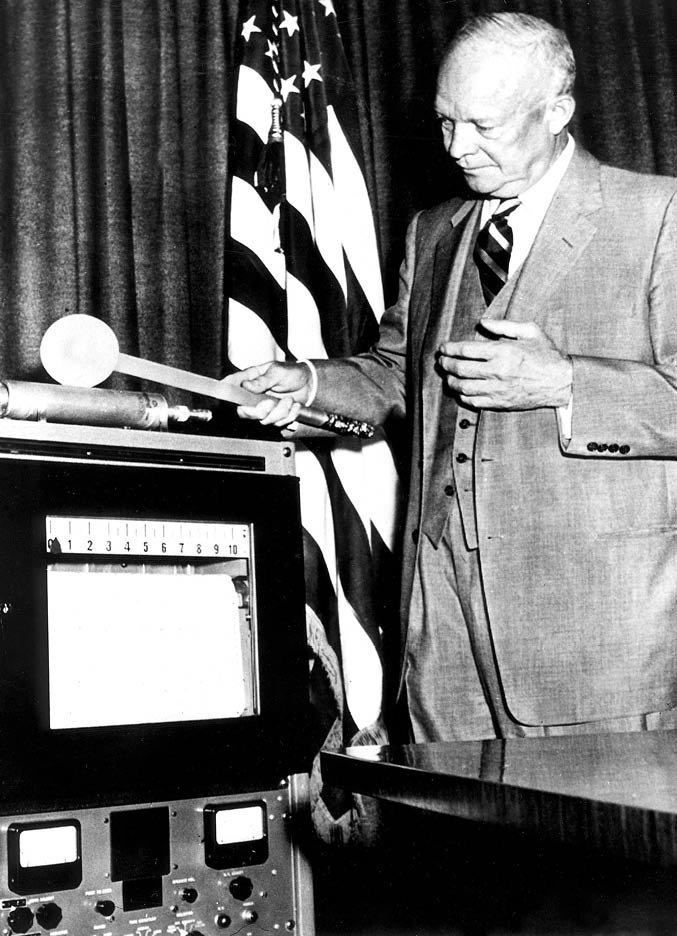
President Dwight D. Eisenhower is shown here with the special atomic fission rod he used from here on Sept. 6, 1954, to break ground by remote control for the world’s first full-scale atomic-electric generating station exclusively for civilian needs
New Ideas for a Changing World
“Atoms for Peace” Fuels Energy Production and Cools Global Tension
The world was changing rapidly in the decades after World War II. The U.S. and the Soviet Union’s rivalry kicked off the Cold War, resulting in an increase of nuclear weapons and widespread fears of nuclear war.
To ease tensions and fears, programs like President Dwight Eisenhower’s “Atoms for Peace” encouraged safe and productive uses of atomic science, such as nuclear energy. Aiming to combat the spread of communism while developing a nuclear future, the U.S. invested massive resources at home and around the globe, including in U.S. territory of Puerto Rico.
Operation Bootstrap
Energy Technology Was Seen as the Future for Puerto Rico
Puerto Rico was also changing quickly in the years after World War II. The island was originally a farming economy producing a variety of agricultural goods. However, in the 1940s and 50s Puerto Rico’s first elected governor, Luis Muñoz Marin, wanted to promote industry through a program called “Operation Bootstrap.”
A large campaign was launched to shift Puerto Rico’s economy toward industry. With the help of the government, the island was advertised as attractive to Americans and international investors. The idea that Puerto Rico possessed new, high-end technology was an important part of Operation Bootstrap.
As part of the program, Governor Muñoz wanted to attract American energy investment to Puerto Rico. In the late 1950s, he successfully petitioned members of the United States government, especially the Atomic Energy Commission (AEC), to establish a nuclear reactor on the island. Thus, the idea for the BONUS plant was born.

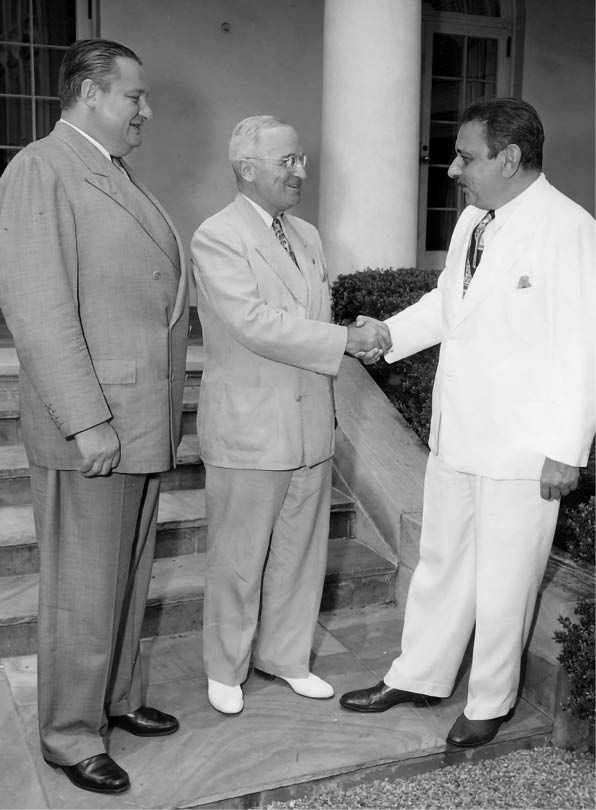
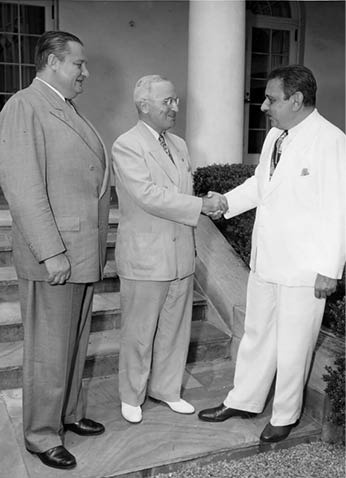
Photo of Puerto Rico’s first elected Governor, Luis Munoz Marin (right), being greeted by President Harry S. Truman at the White House. On the left is Secretary of the Interior J.A. Krug.

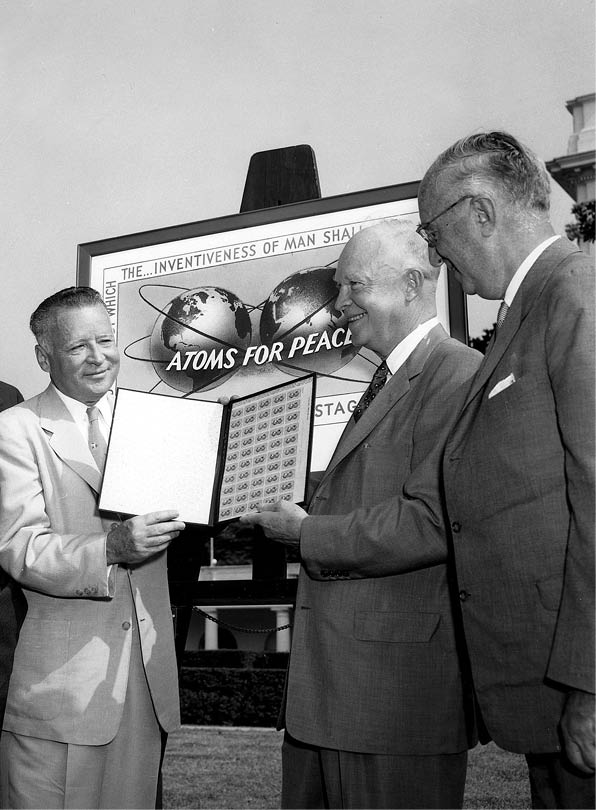
President Eisenhower receives an album of Atoms-for-Peace stamps.

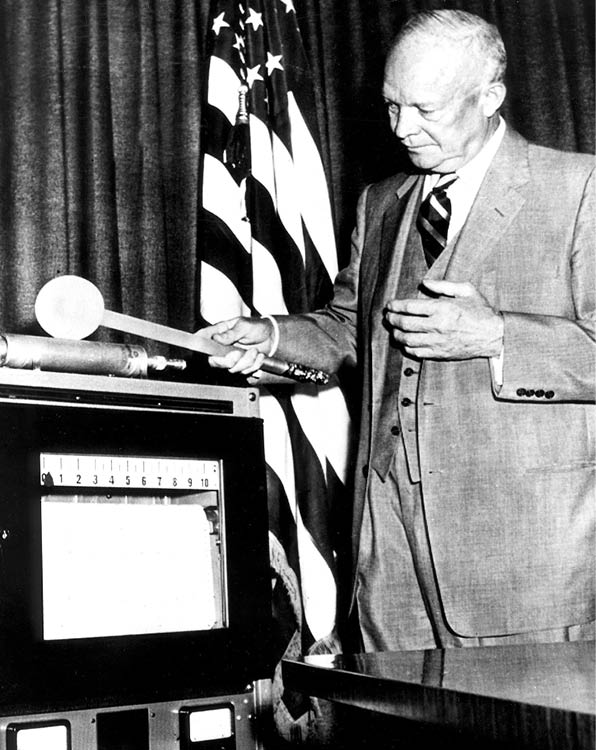
President Dwight D. Eisenhower is shown here with the special atomic fission rod he used from here on Sept. 6, 1954, to break ground by remote control for the world’s first full-scale atomic-electric generating station exclusively for civilian needs.
New Ideas for a Changing World
“Atoms for Peace” Fuels Energy Production and Cools Global Tension
The world was changing rapidly in the decades after World War II. The U.S. and the Soviet Union’s rivalry kicked off the Cold War, resulting in an increase of nuclear weapons and widespread fears of nuclear war.
To ease tensions and fears, programs like President Dwight Eisenhower’s “Atoms for Peace” encouraged safe and productive uses of atomic science, such as nuclear energy. Aiming to combat the spread of communism while developing a nuclear future, the U.S. invested massive resources at home and around the globe, including in U.S. territory of
Puerto Rico.
Operation Bootstrap
Energy Technology Was Seen as the Future for Puerto Rico
Puerto Rico was also changing quickly in the years after World War II. The island was originally a farming economy producing a variety of agricultural goods. However, in the 1940s and 50s Puerto Rico’s first elected governor, Luis Muñoz Marin, wanted to promote industry through a program called “Operation Bootstrap.”
A large campaign was launched to shift Puerto Rico’s economy toward industry. With the help of the government, the island was advertised as attractive to Americans and international investors. The idea that Puerto Rico possessed new, high-end technology was an important part of Operation Bootstrap.
As part of the program, Governor Muñoz wanted to attract American energy investment to Puerto Rico. In the late 1950s, he successfully petitioned members of the United States government, especially the Atomic Energy Commission (AEC), to establish a nuclear reactor on the island. Thus,
the idea for the BONUS plant
was born.

Photo of Puerto Rico’s first elected Governor, Luis Munoz Marin (right), being greeted
by President Harry S. Truman at the
White House. On the left is Secretary
of the Interior J.A. Krug.
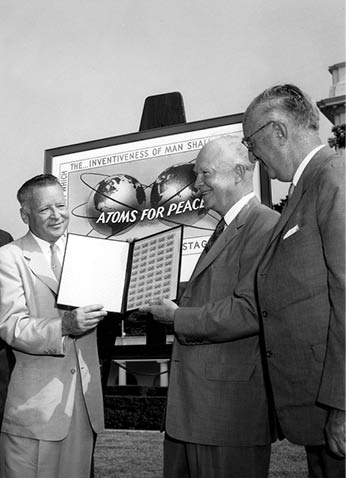
President Eisenhower receives an
album of Atoms-for-Peace stamps.


President Dwight D. Eisenhower is shown
here with the special atomic fission rod
he used from here on Sept. 6, 1954, to
break ground by remote control for the
world’s first full-scale atomic-electric
generating station exclusively for civilian needs
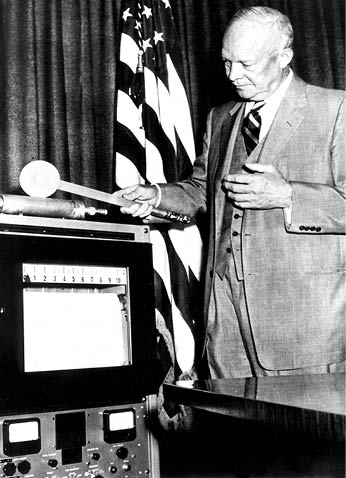

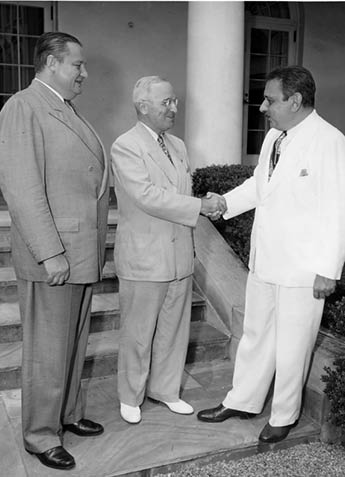
Photo of Puerto Rico’s first elected Governor, Luis Munoz Marin (right), being greeted
by President Harry S. Truman at the
White House. On the left is Secretary
of the Interior J.A. Krug.

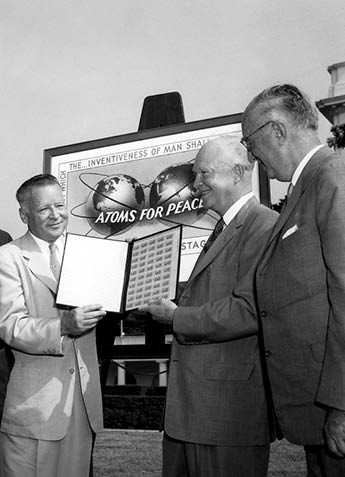
President Eisenhower receives an album of Atoms-for-Peace stamps.

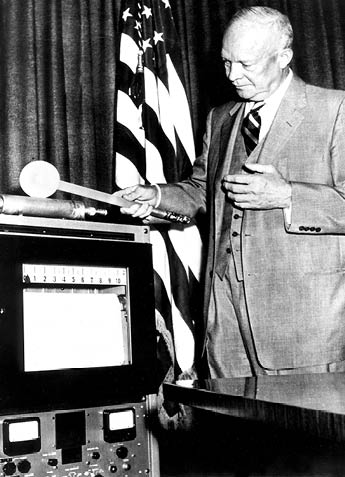
President Dwight D. Eisenhower is shown here with the special atomic fission rod he used from here on Sept. 6, 1954, to break ground by remote control for the world’s first full-scale atomic-electric generating station exclusively for civilian needs
The Birth of BONUS
An International Partnership for Nuclear Power
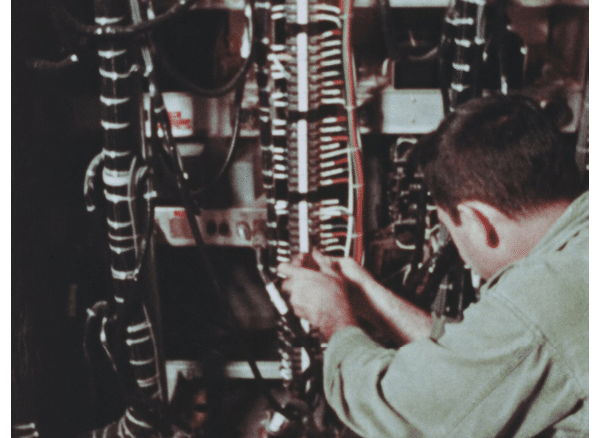
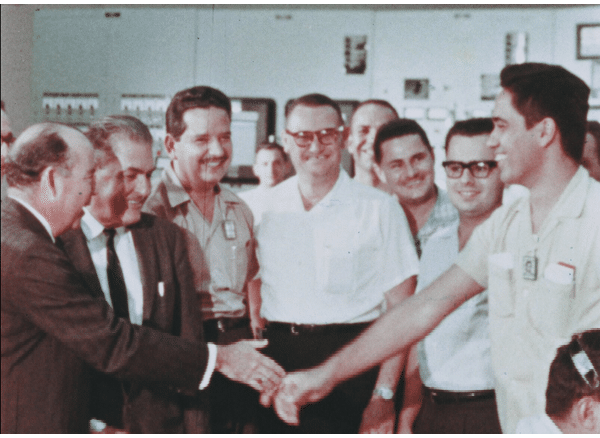
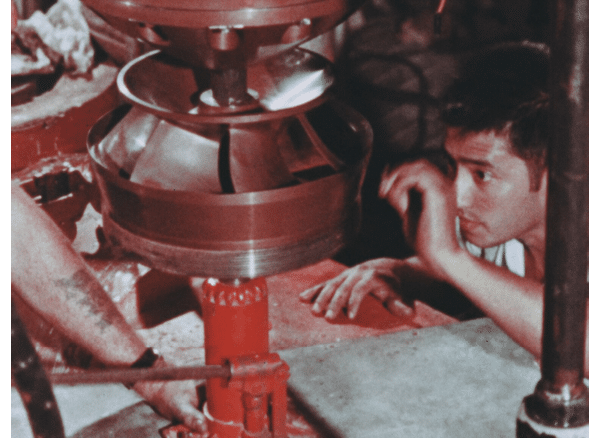
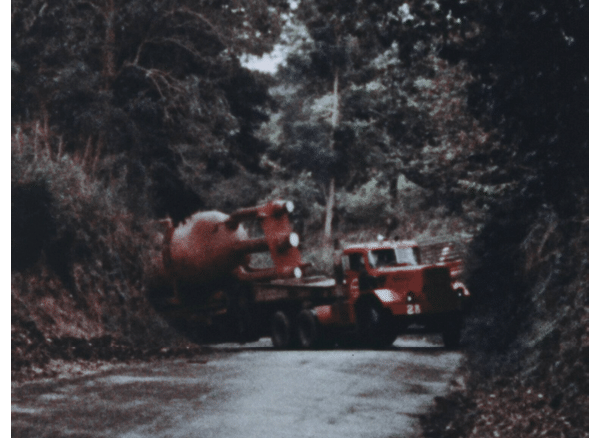
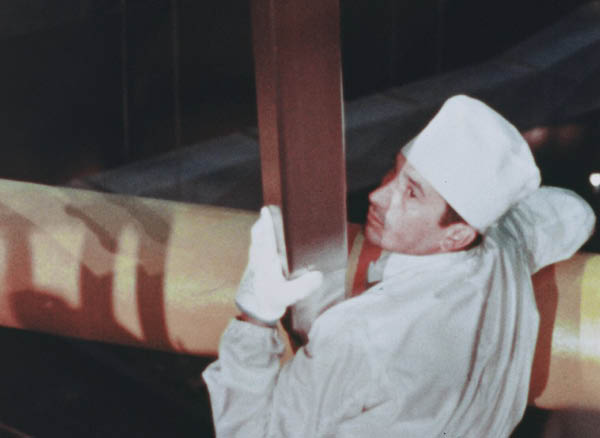
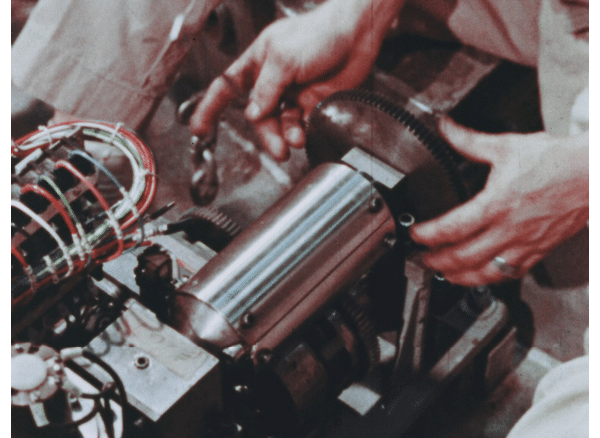
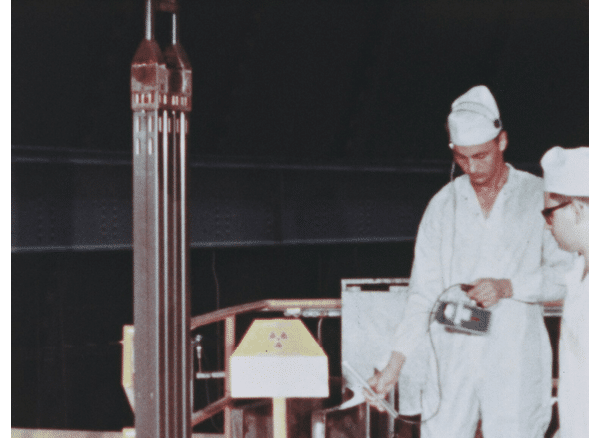
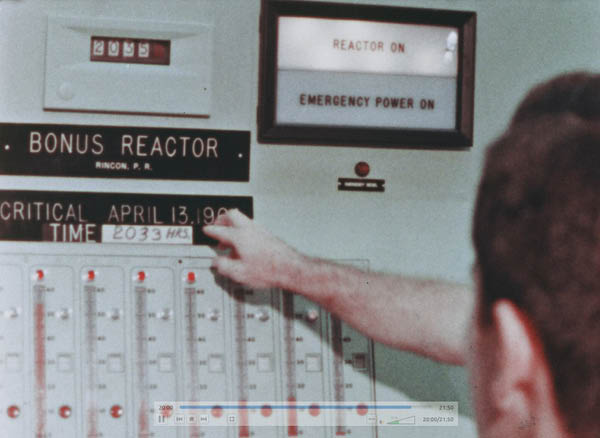
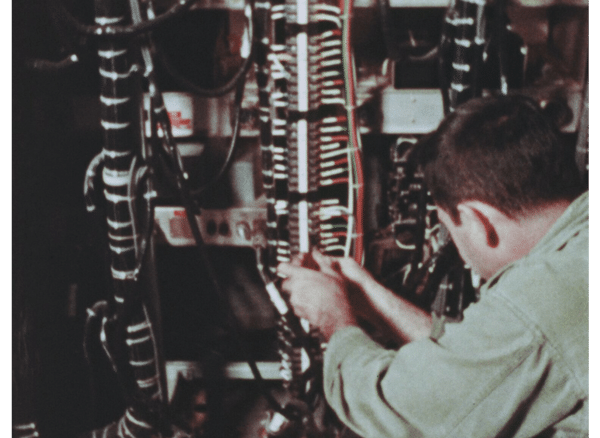
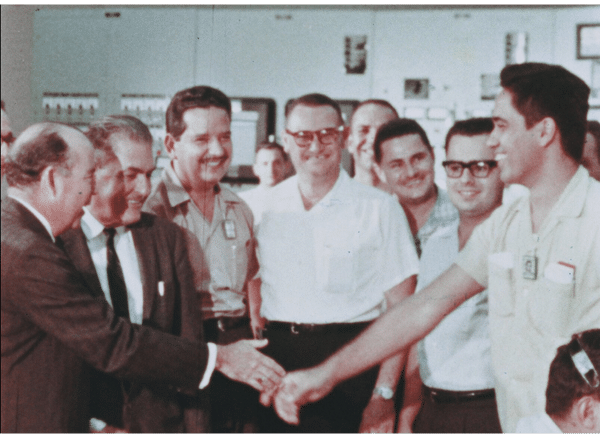
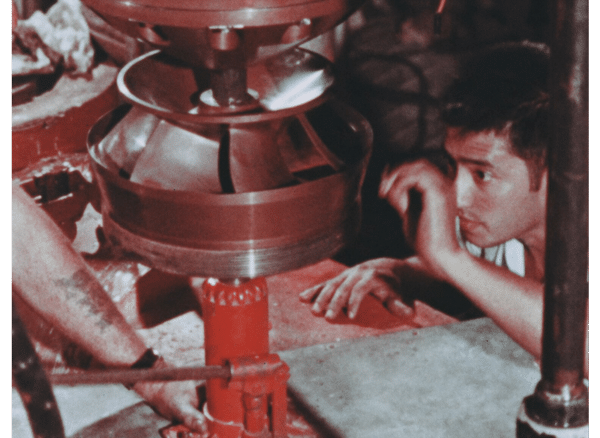
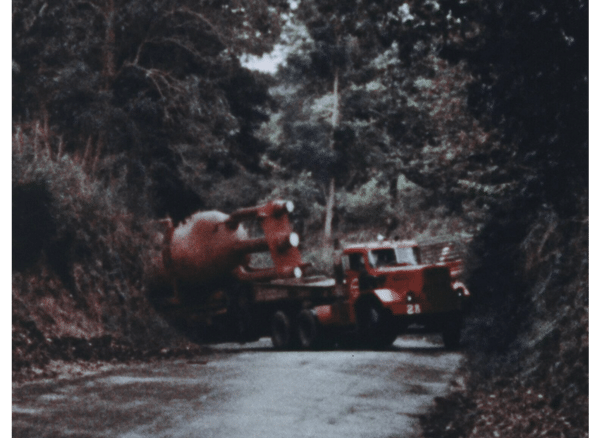
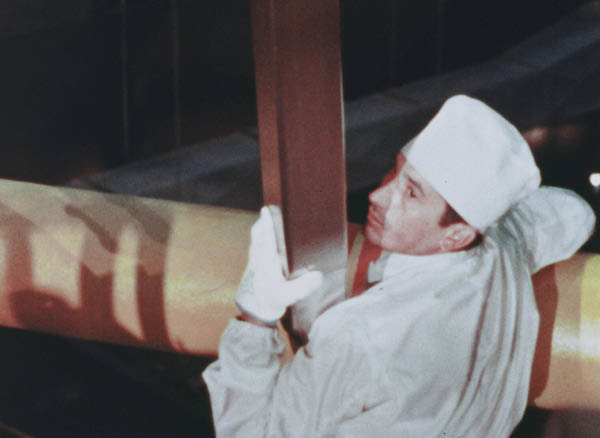
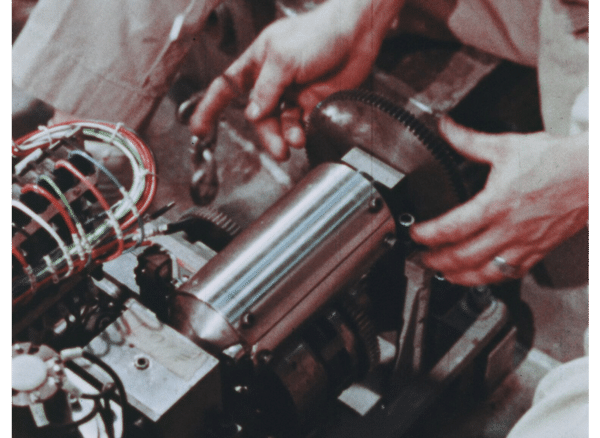
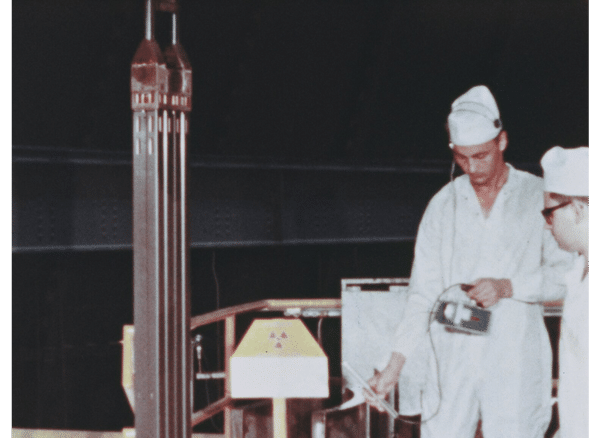
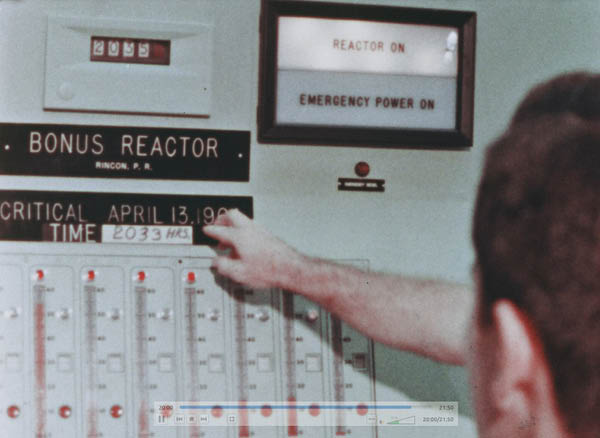
The BONUS project, started in 1960, depended on cooperation and collaboration between the AEC (Atomic Energy Commission) and PRWRA (Puerto Rico Water Resources Authority). However, there were also hundreds of individual people that contributed their time, energy, and expertise to the project’s success.
The AEC was responsible for the design and construction of the reactor and its related facilities. The PRWRA was responsible for developing the site, overall plant design, construction of the generator, and power transmission facilities.
The Birth of BONUS
An International Partnership for Nuclear Power
The BONUS project, started in 1960, depended on cooperation and collaboration between the AEC (Atomic Energy Commission) and PRWRA (Puerto Rico Water Resources Authority). However, there were also hundreds of individual people that contributed their time, energy, and expertise to the project’s success.
The AEC was responsible for the design and construction of the reactor and its related facilities. The PRWRA was responsible for developing the site, overall plant design, construction of the generator, and power transmission facilities.
The Birth of BONUS
An International Partnership for Nuclear Power
The BONUS project, started in 1960, depended on cooperation and collaboration between the AEC (Atomic Energy Commission) and PRWRA (Puerto Rico Water Resources Authority). However, there were also hundreds of individual people that contributed their time, energy, and expertise to the project’s success.
The AEC was responsible for the design and construction of the reactor and its related facilities. The PRWRA was responsible for developing the site, overall plant design, construction of the generator, and power transmission facilities.
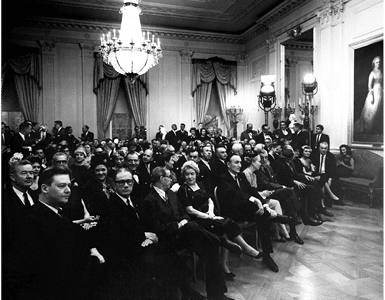
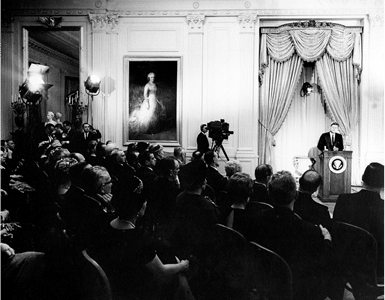
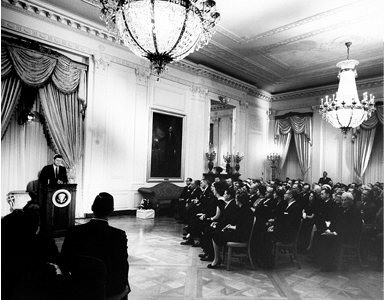
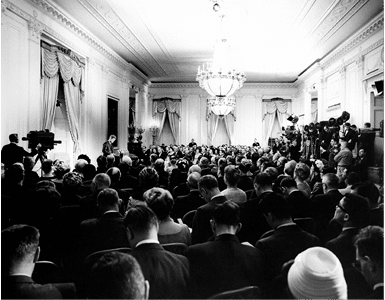
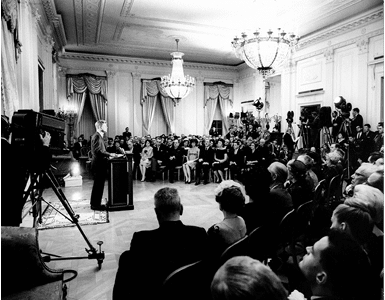
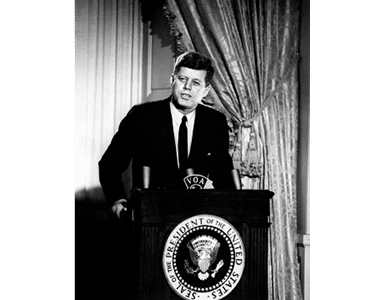
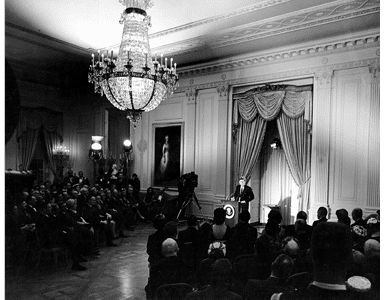
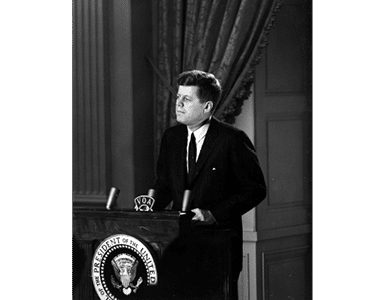
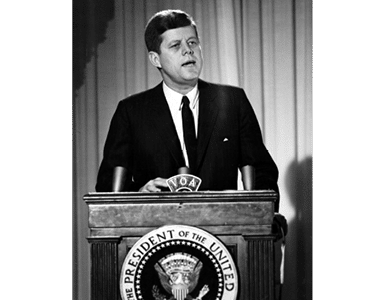
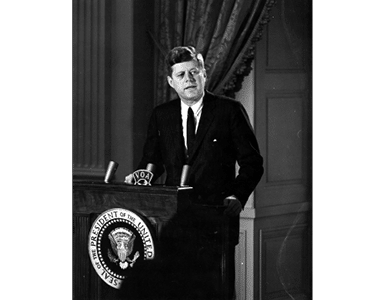
“I invite Latin American scientists to work with us in new projects …. and to help plan for regional research laboratories in these and other fields, and to strengthen cooperation between American universities and laboratories .... We must rapidly expand the training of those needed to man the economies of rapidly developing countries ....”
President Kennedy proposed the “Alliance for Progress” to Latin American
diplomats and members of Congress in this address from March 13, 1961.
Making Progress in Latin America
Creating Job Opportunities for Local Scientists
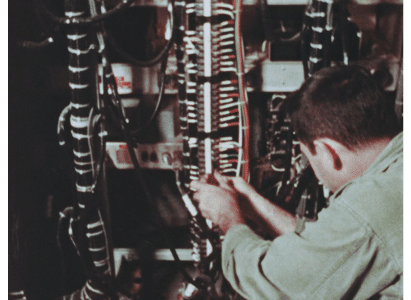
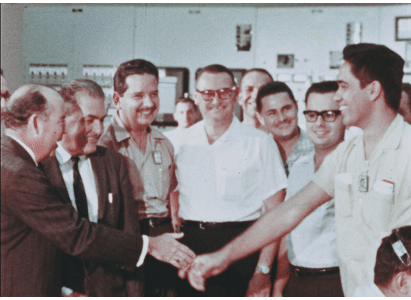
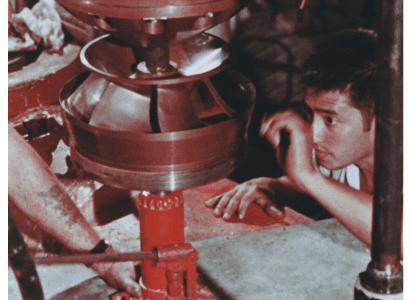
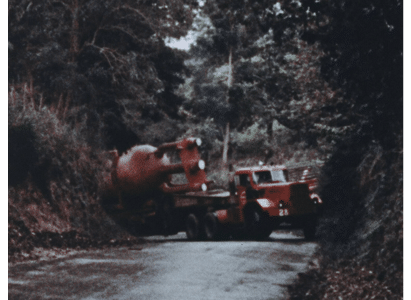
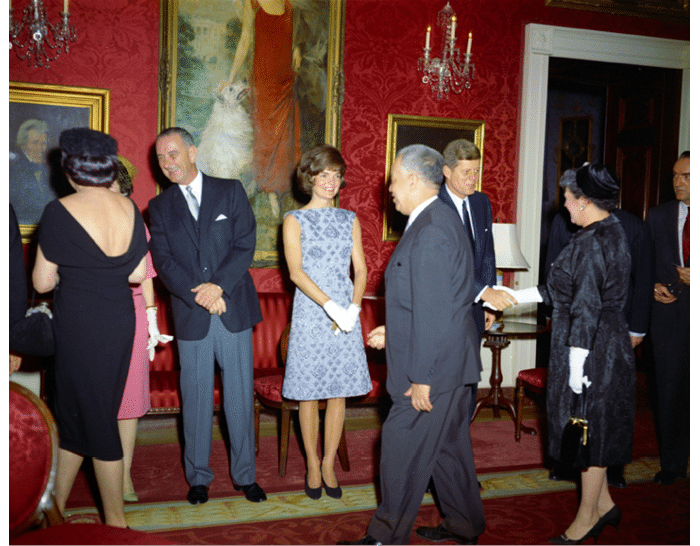
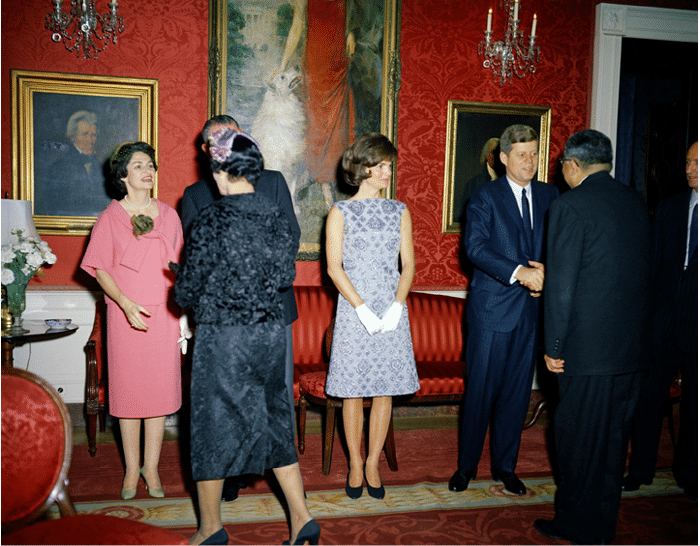
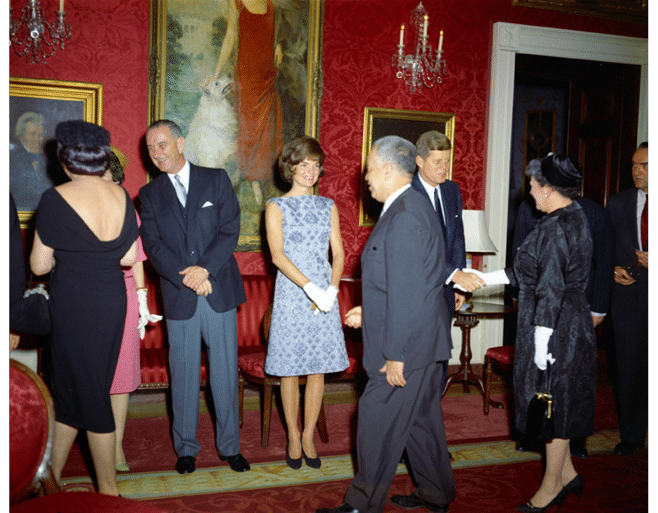
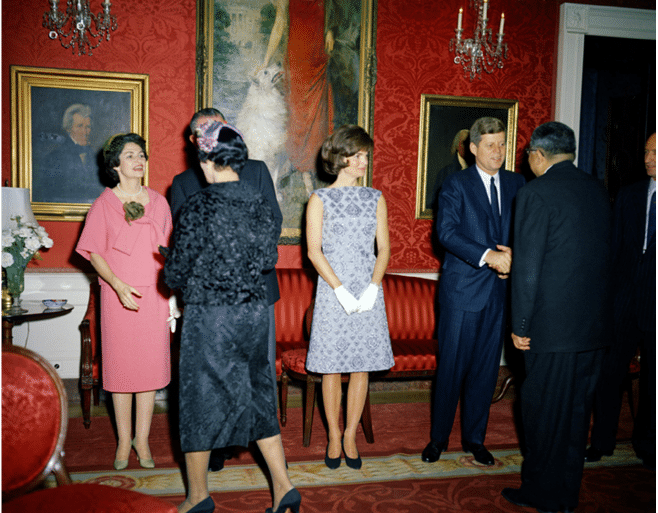
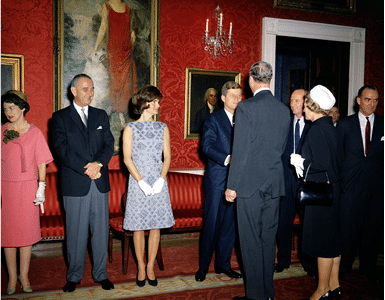
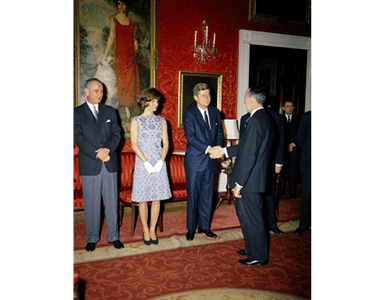
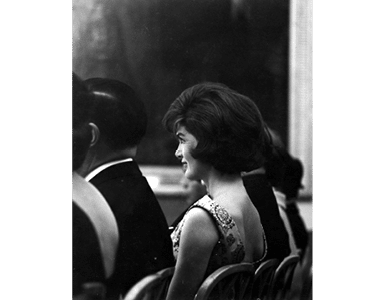
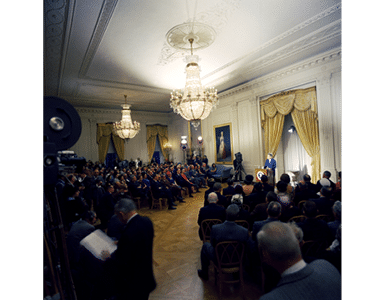
The BONUS project also related to President John F. Kennedy’s “Alliance for Progress.” This was a U.S. assistance program for Latin America and aimed to relieve the region’s poverty and social challenges. One way this was achieved was to train students and scientists from across Latin America in new technologies such as nuclear power.
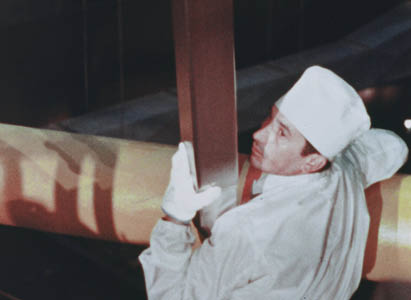
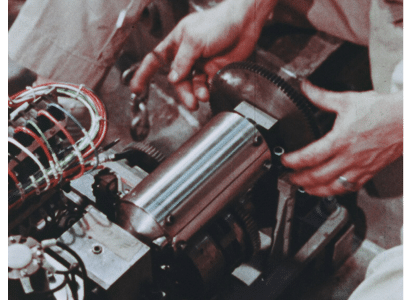
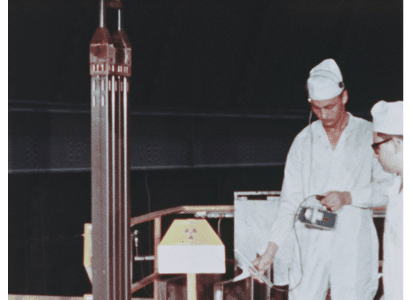
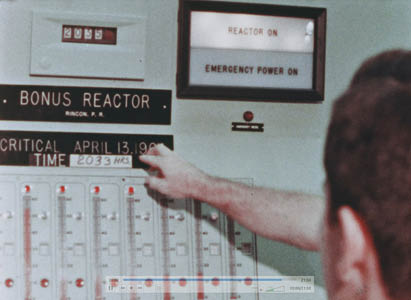
Throughout its operation, the BONUS facility became a training ground for hundreds of Latin American scientists. Those who trained at BONUS got to experience the era’s newest nuclear technology. By 1968 when BONUS was shut down, nearly 700 scientists from 41 countries had trained at the facility.
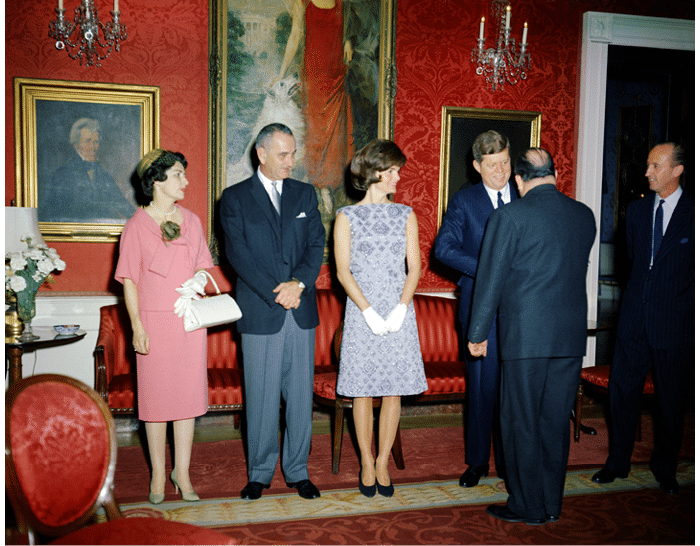
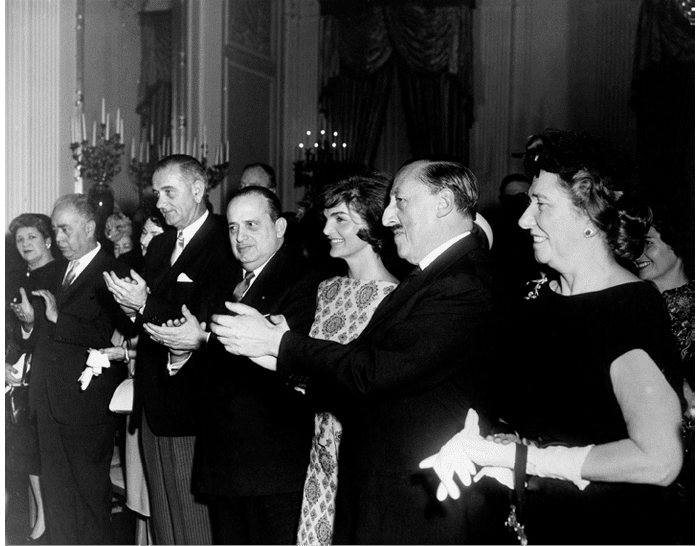
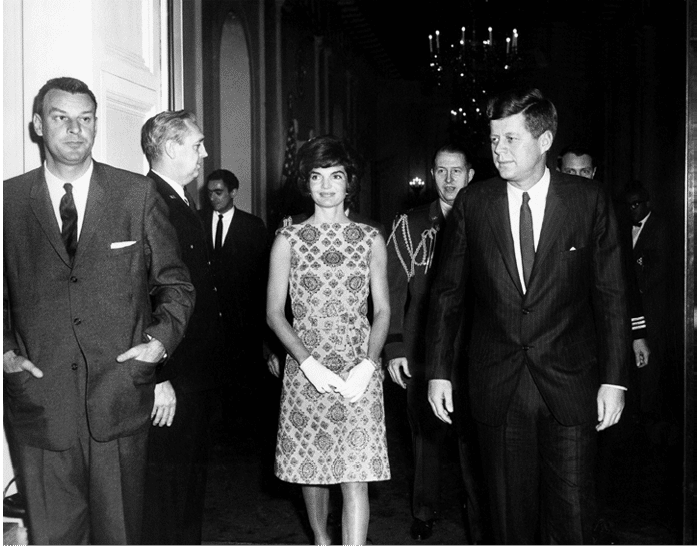
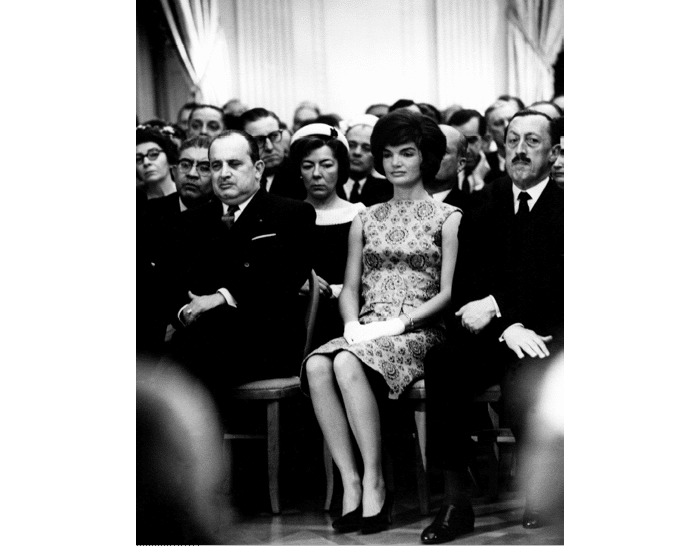
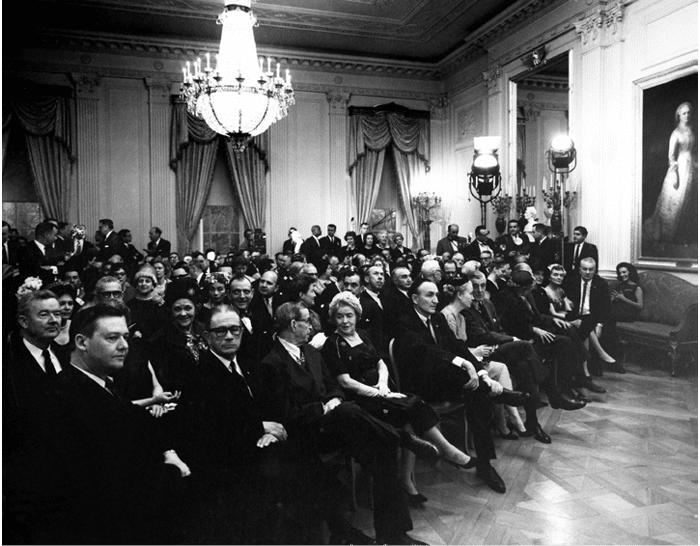
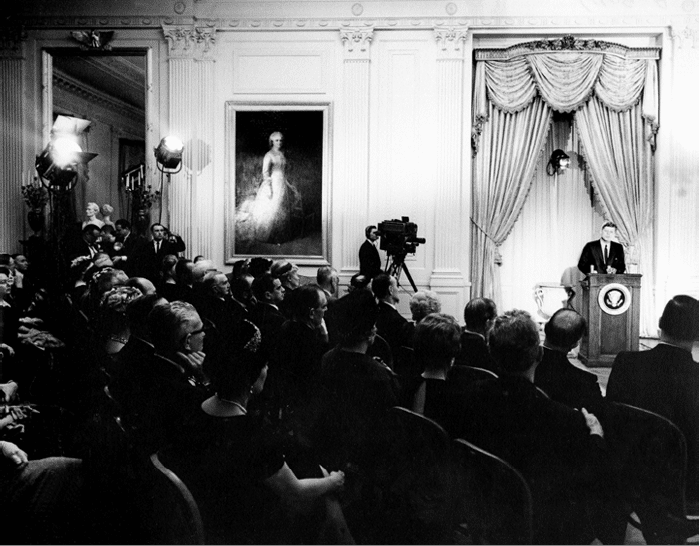
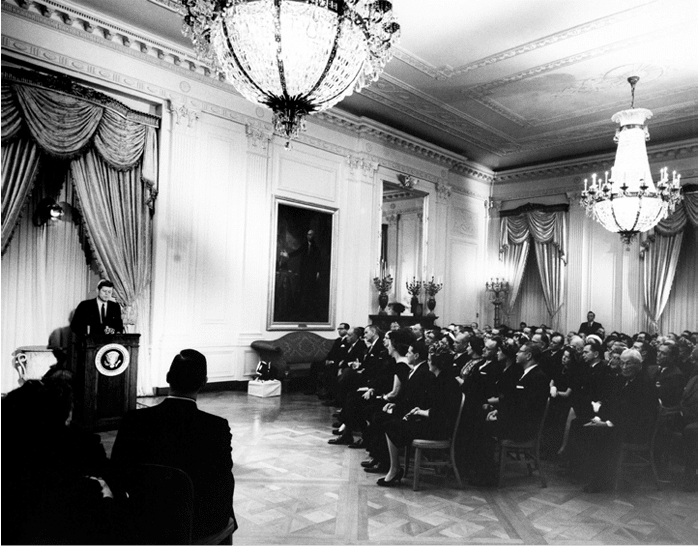
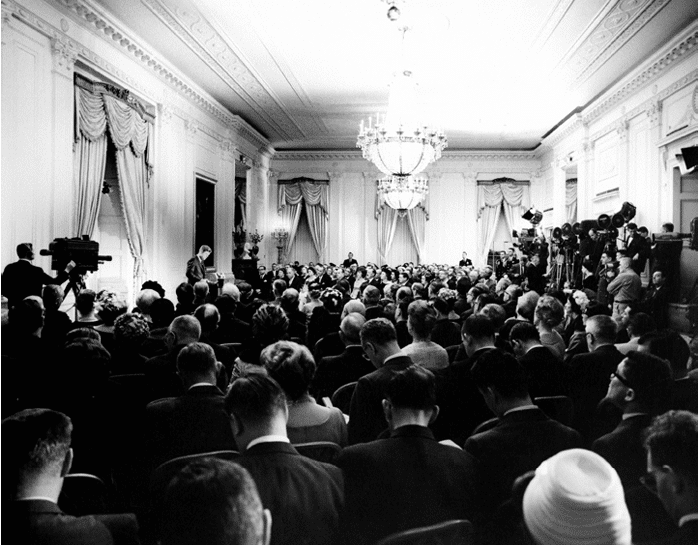
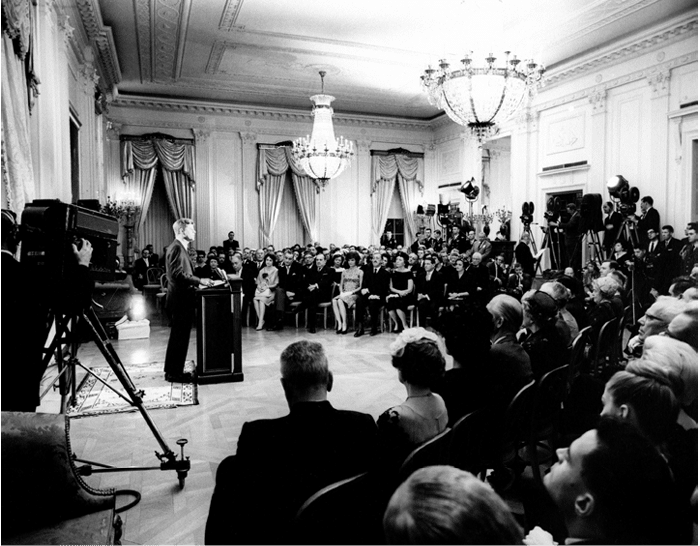
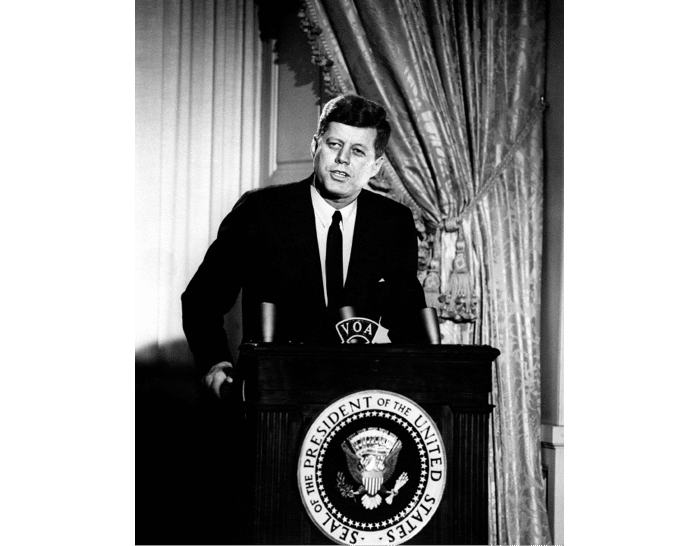
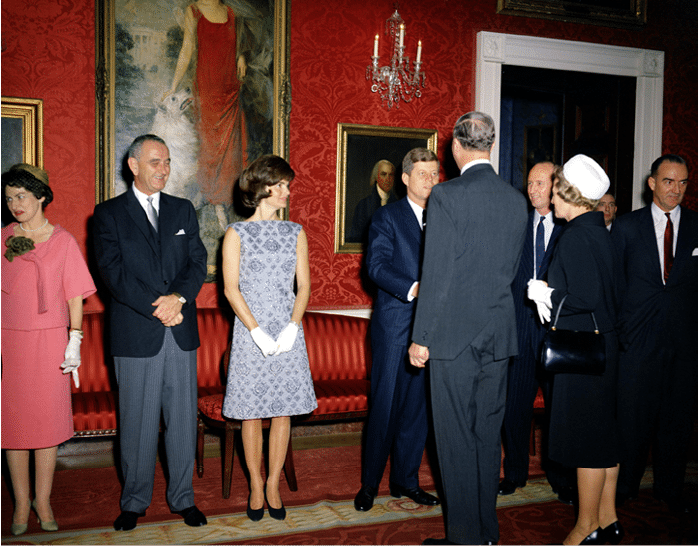
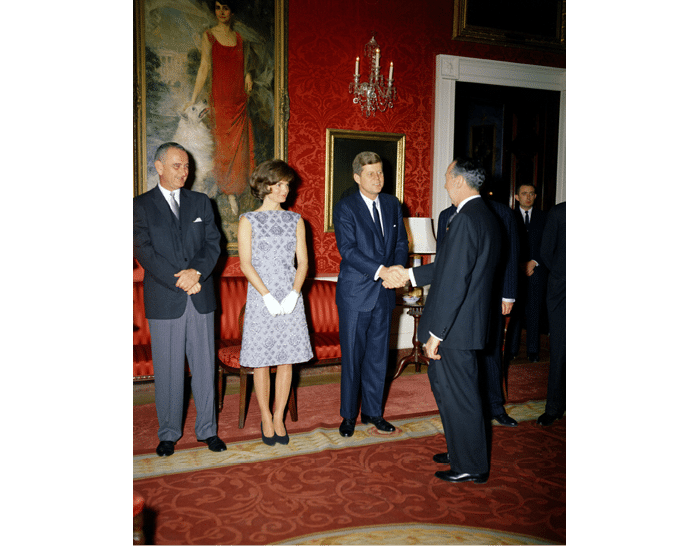
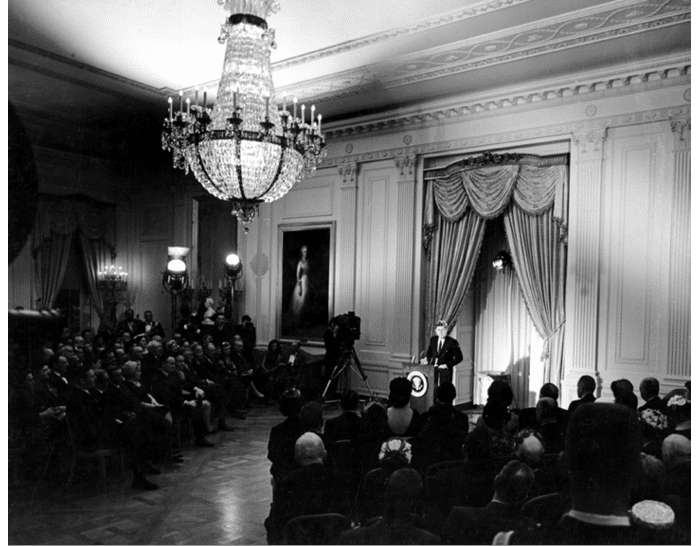
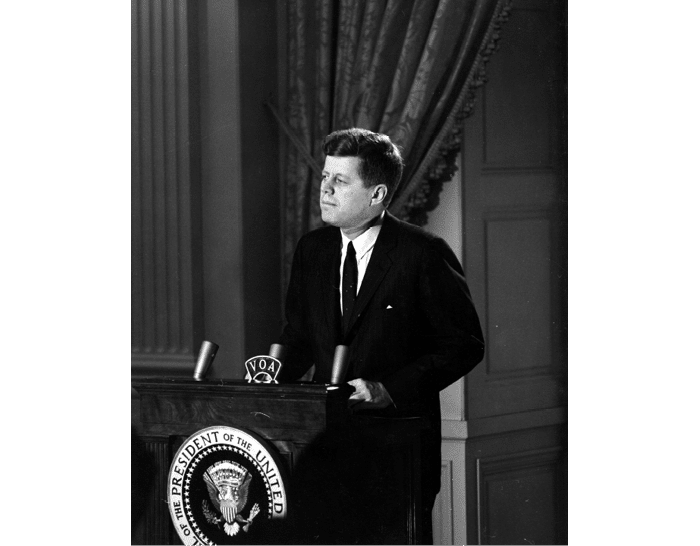
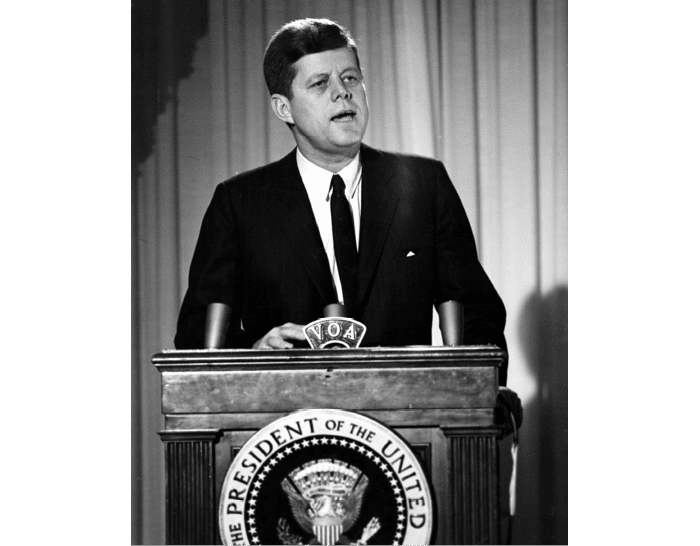
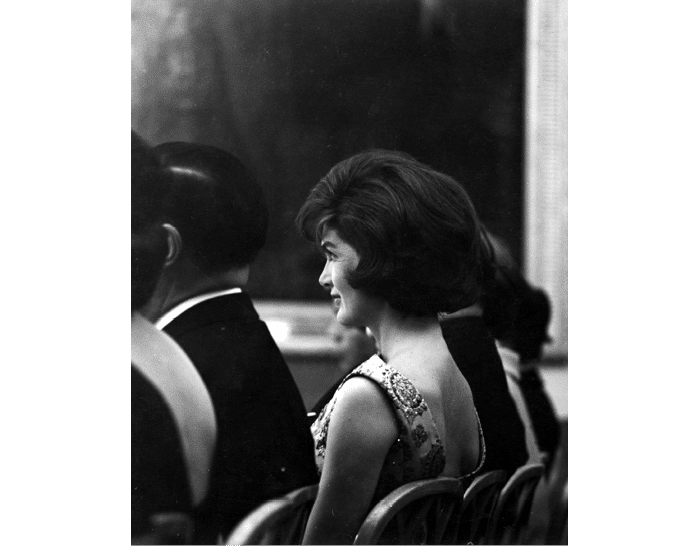
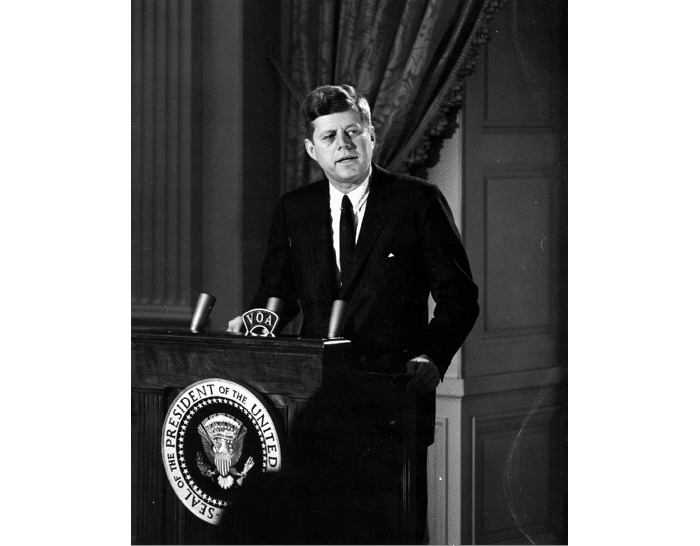
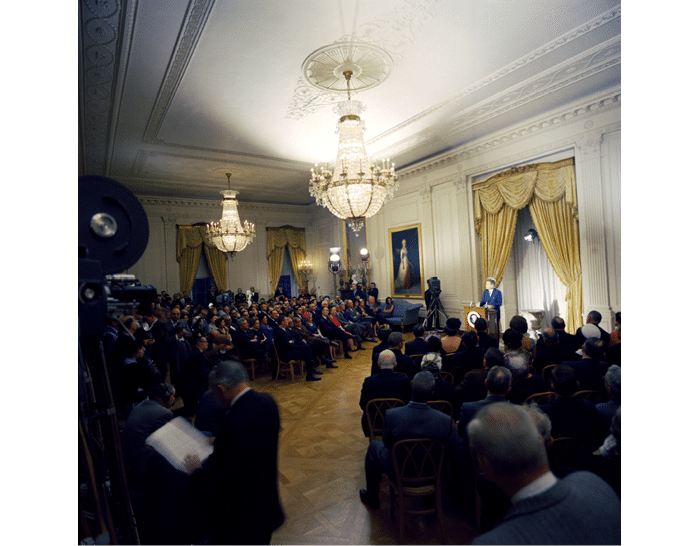
“I invite Latin American scientists to work with us in new projects …. and to help plan for regional research laboratories in these and other fields, and to strengthen cooperation between American universities and laboratories .... We must rapidly expand the training of those needed to man the economies of rapidly developing countries ....”
President Kennedy proposed the “Alliance for Progress” to Latin American diplomats and members of Congress in this address from March 13, 1961.
Making Progress in Latin America
Creating Job Opportunities for Local Scientists
The BONUS project also related to President John F. Kennedy’s “Alliance for Progress.” This was a U.S. assistance program for Latin America and aimed to relieve the region’s poverty and social challenges. One way this was achieved was to train students and scientists from across Latin America in new technologies such as nuclear power.
Throughout its operation, the BONUS facility became a training ground for hundreds of Latin American scientists. Those who trained at BONUS got to experience the era’s newest nuclear technology. By 1968 when BONUS was shut down, nearly 700 scientists from 41 countries had trained at the facility.
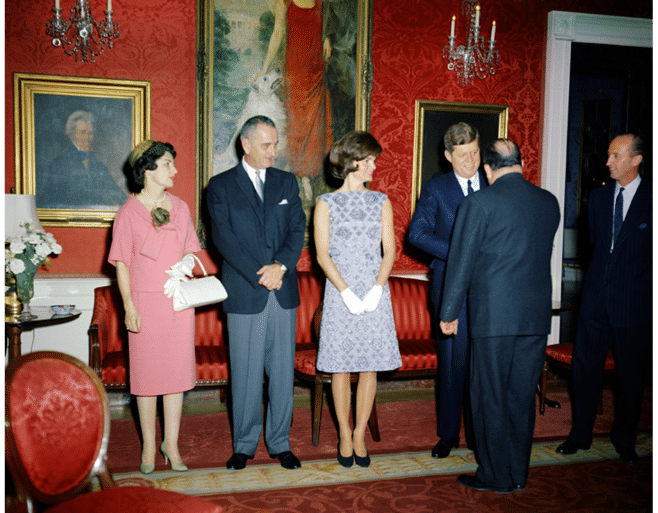
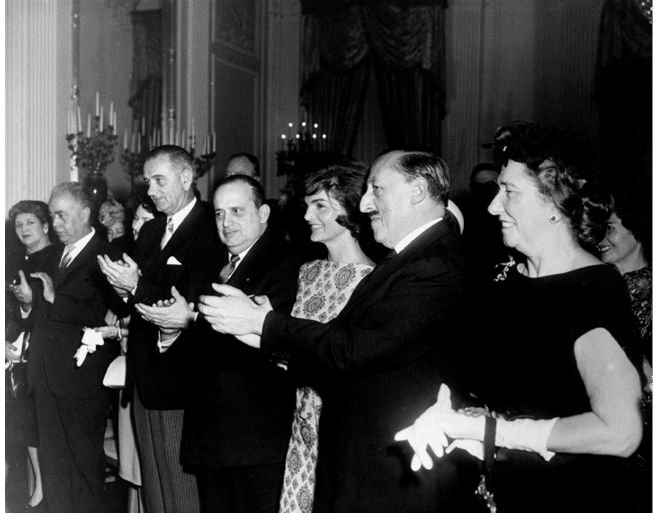
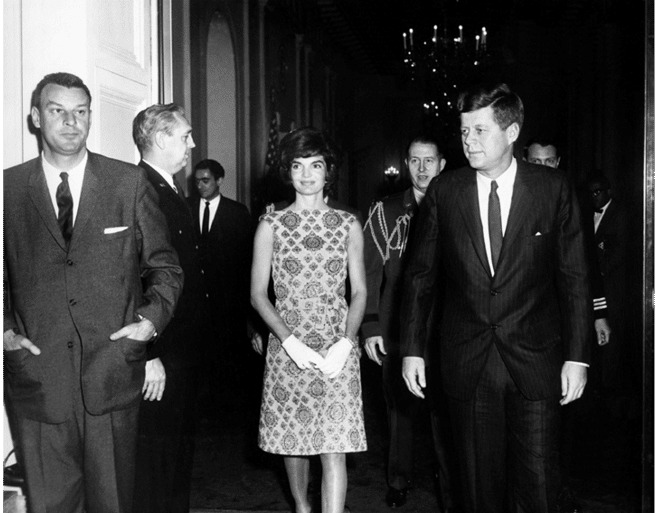
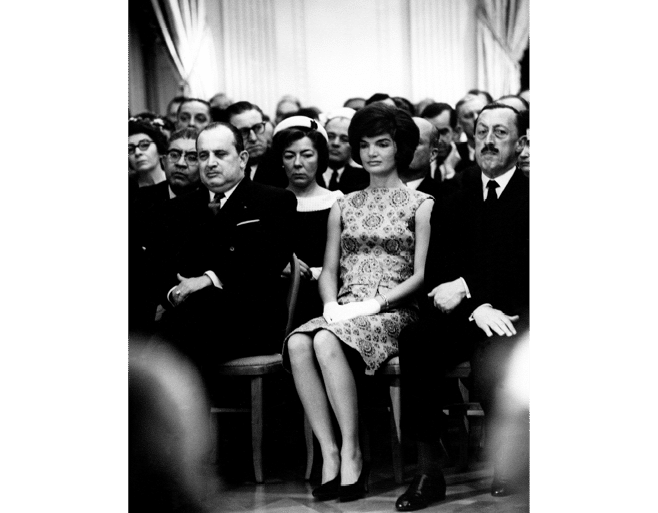
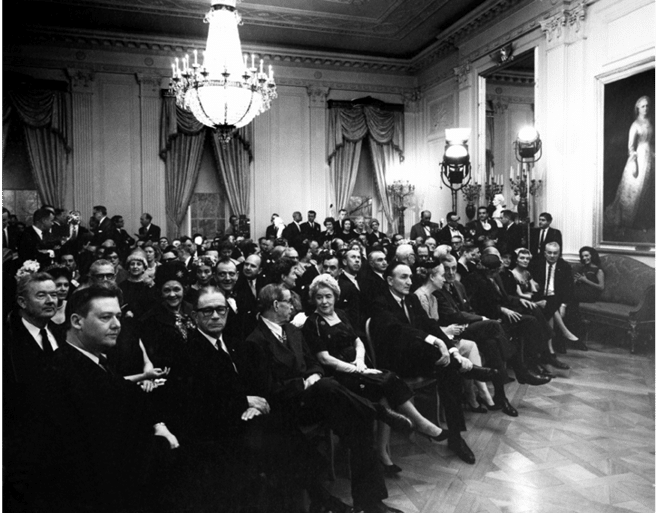
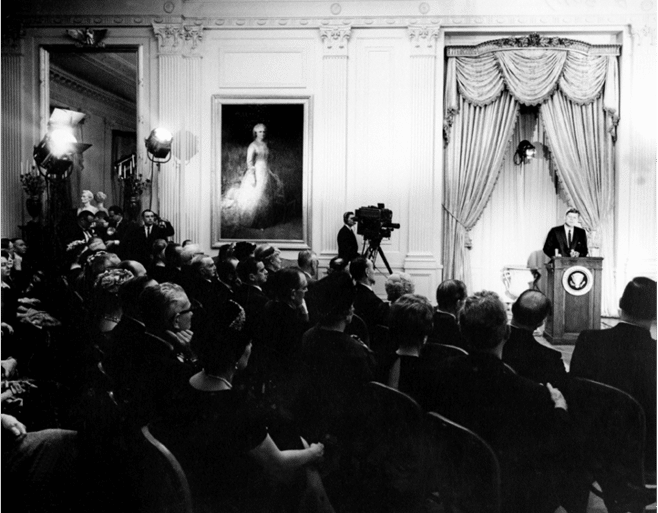
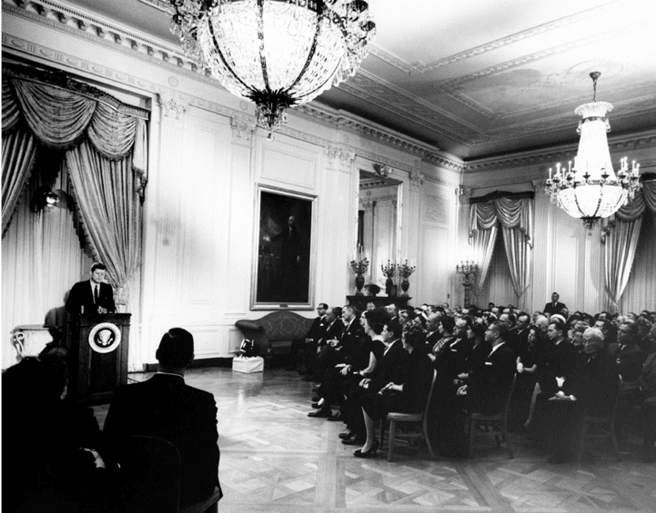
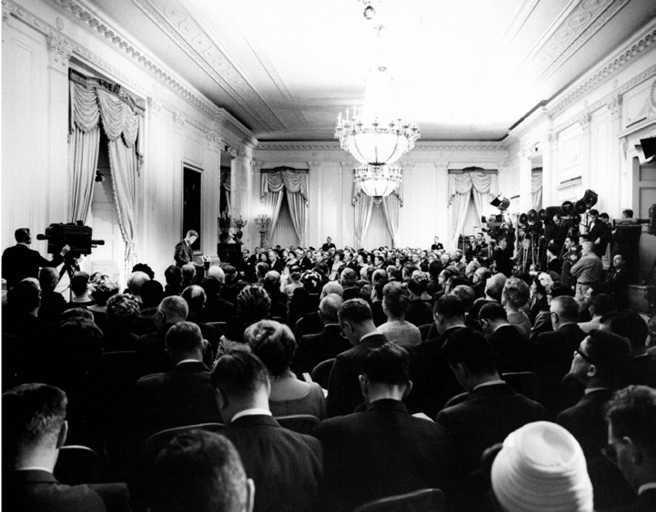
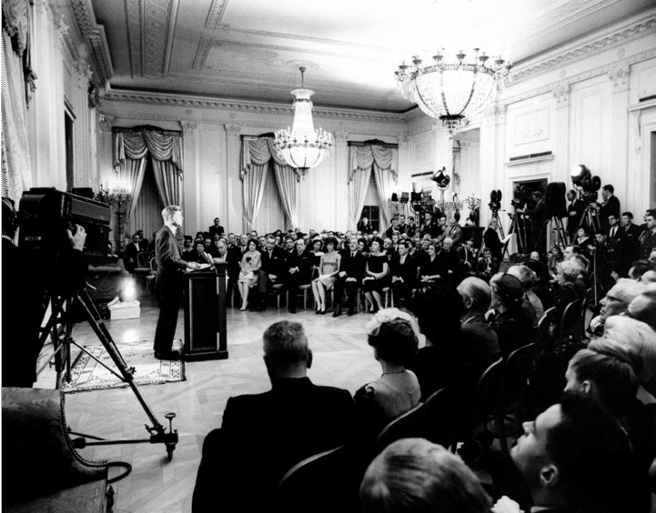
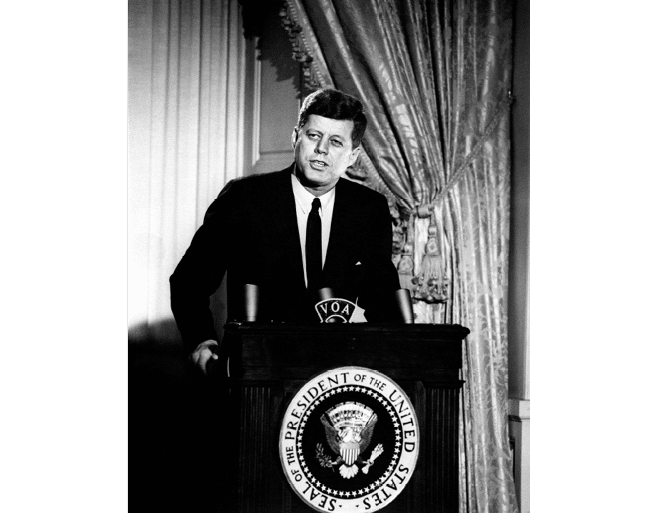
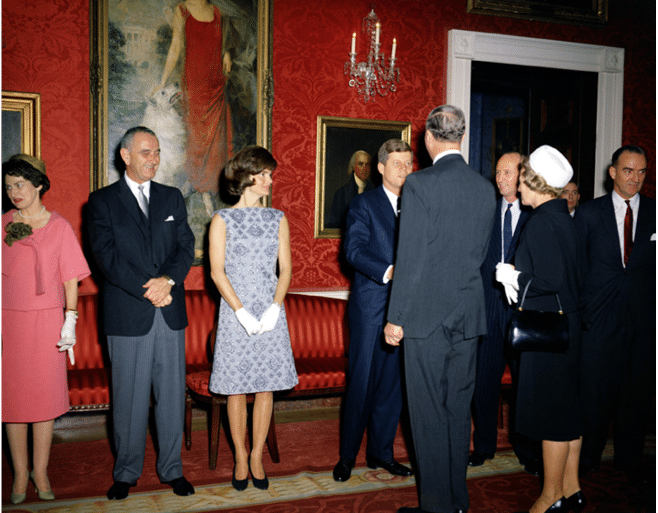
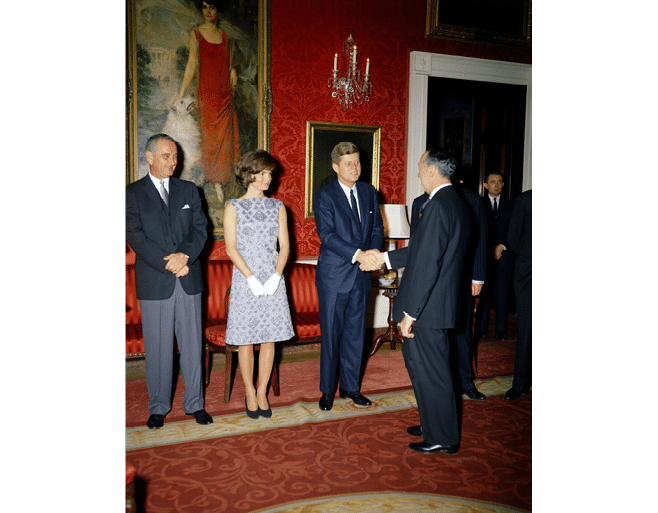
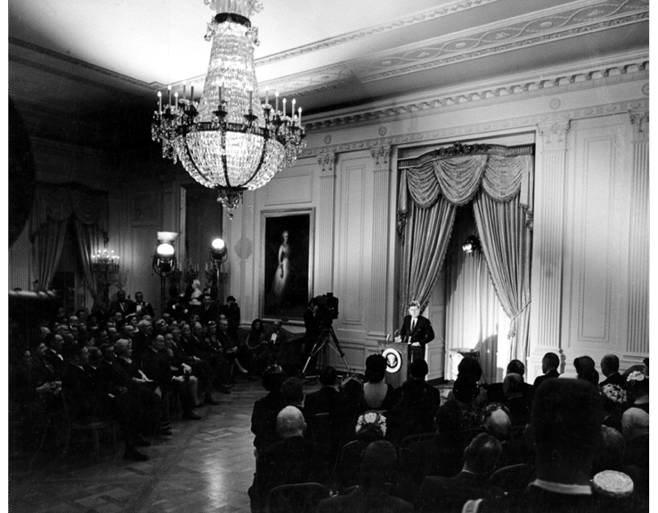
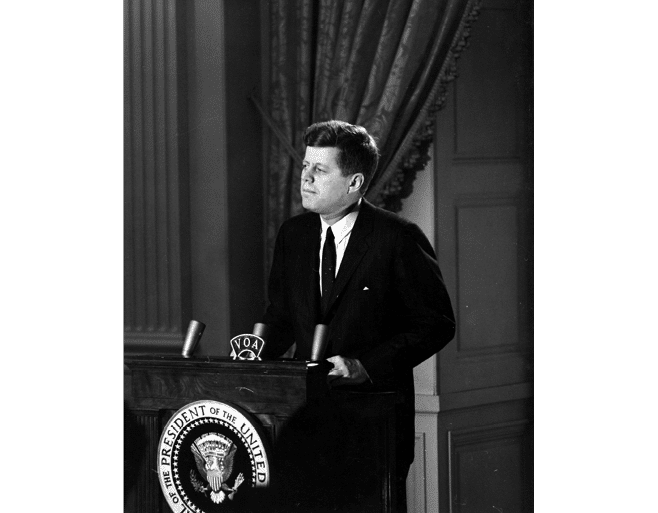
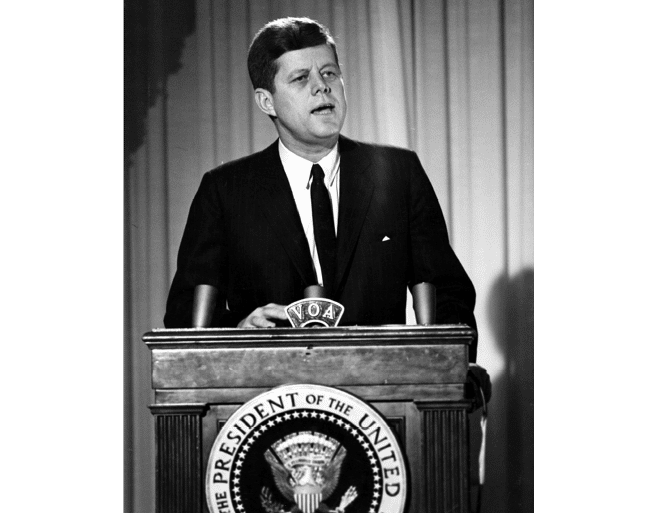
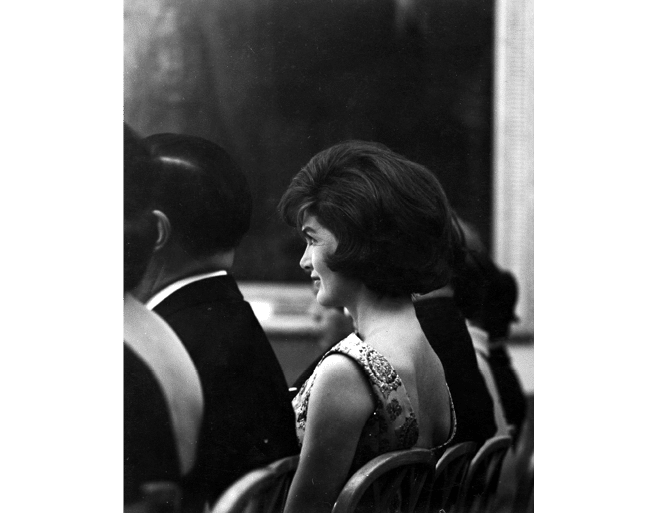
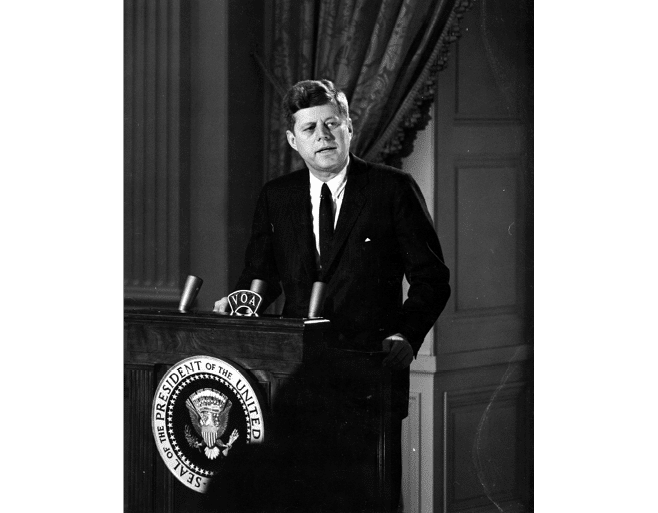
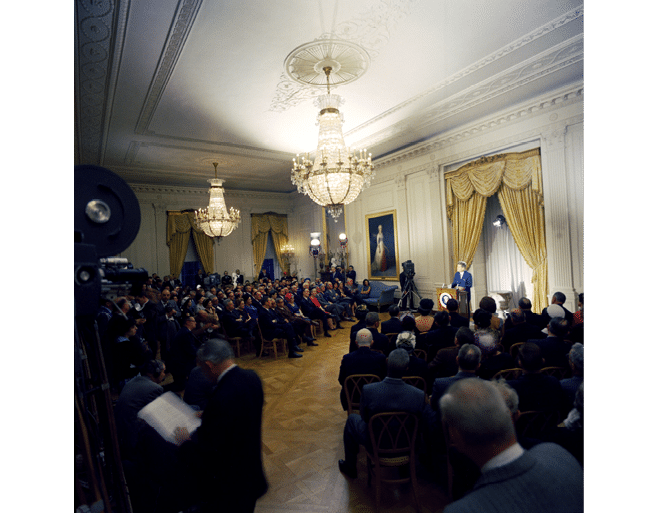
“I invite Latin American scientists to work with us in new projects …. and to help plan for regional research laboratories in these and other fields, and to strengthen cooperation between American universities and laboratories .... We must rapidly expand the training of those needed to man the economies of rapidly developing countries ....”
President Kennedy proposed the
“Alliance for Progress” to Latin American diplomats and members of Congress
in this address from March 13, 1961.
Making Progress in Latin America
Creating Job Opportunities for Local Scientists
The BONUS project also related to President John F. Kennedy’s “Alliance for Progress.” This was a U.S. assistance program for Latin America and aimed to relieve the region’s poverty and social challenges. One way this was achieved was to train students and scientists from across Latin America in new technologies such as nuclear power.
Throughout its operation, the BONUS facility became a training ground for hundreds of Latin American scientists. Those who trained at BONUS got to experience the era’s newest nuclear technology. By 1968 when BONUS was shut down, nearly 700 scientists from 41 countries had trained at the facility.
Dr. Modesto Iriarte Beauchamp
A Local Scientist’s Contribution
to BONUS
One scientist who helped BONUS succeed was Dr. Modesto Iriarte Beauchamp, a Puerto Rican nuclear scientist and engineer. Dr. Iriarte was born in nearby Mayagüez and was a pioneer in the nuclear field. He was one of the first students in the United States to obtain a Ph.D. in nuclear engineering, and the first from Puerto Rico.
PRWRA chose Dr. Iriarte to be part of the design group for the BONUS facility. He took part in the setup of the power station and was one of the first senior operators licensed by AEC to work at the BONUS station.
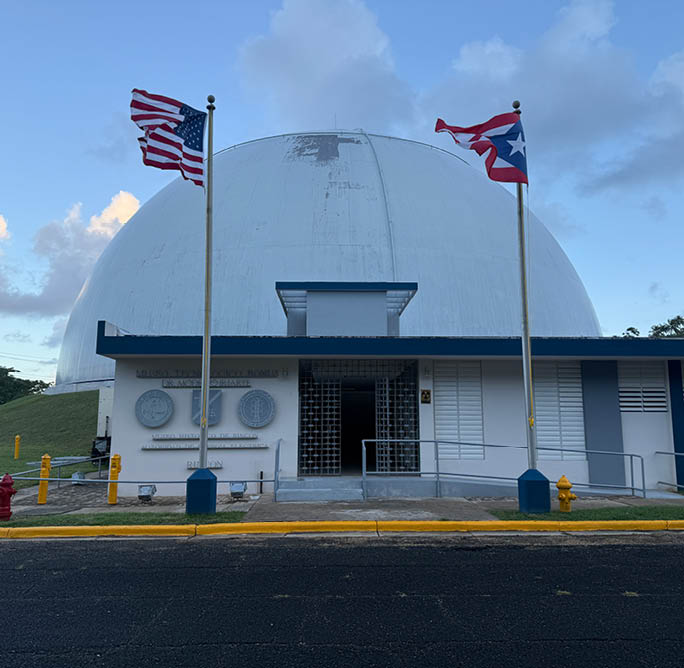
In 1995, the Puerto Rico Electric Power Authority (PREPA, the successor to PRWRA) named the site’s Dr. Modesto Iriarte Technological Museum to honor Dr. Iriarte’s contributions. Dr. Iriarte’s role and contributions to the BONUS site, like the many other Latin American scientists and engineers that worked and trained at the facility, remain a shining example of cooperation and collaboration between the U.S. and
Puerto Rico.
Dr. Modesto Iriarte Beauchamp
A Local Scientist’s Contribution
to BONUS
One scientist who helped BONUS succeed was Dr. Modesto Iriarte Beauchamp, a Puerto Rican nuclear scientist and engineer. Dr. Iriarte was born in nearby Mayagüez and was a pioneer in the nuclear field. He was one of the first students in the United States to obtain a Ph.D. in nuclear engineering, and the first from Puerto Rico.
PRWRA chose Dr. Iriarte to be part of the design group for the BONUS facility. He took part in the setup of the power station and was one of the first senior operators licensed by AEC to work at the BONUS station.
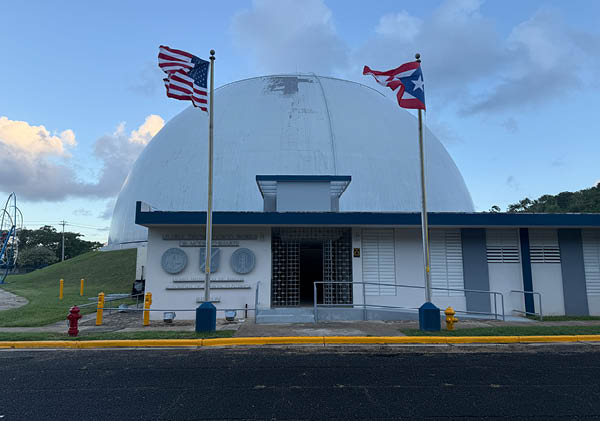
In 1995, the Puerto Rico Electric Power Authority (PREPA, the successor to PRWRA) named the site’s Dr. Modesto Iriarte Technological Museum to honor Dr. Iriarte’s contributions. Dr. Iriarte’s role and contributions to the BONUS site, like the many other Latin American scientists and engineers that worked and trained at the facility, remain a shining example of cooperation and collaboration between the U.S. and Puerto Rico.
Dr. Modesto Iriarte Beauchamp
A Local Scientist’s Contribution
to BONUS
One scientist who helped BONUS succeed was Dr. Modesto Iriarte Beauchamp, a Puerto Rican nuclear scientist and engineer. Dr. Iriarte was born in nearby Mayagüez and was a pioneer in the nuclear field. He was one of the first students in the United States to obtain a Ph.D. in nuclear engineering, and the first from Puerto Rico.
PRWRA chose Dr. Iriarte to be part of the design group for the BONUS facility. He took part in the setup of the power station and was one of the first senior operators licensed by AEC to work at the BONUS station.
In 1995, the Puerto Rico Electric Power Authority (PREPA, the successor to PRWRA) named the site’s Dr. Modesto Iriarte Technological Museum to honor Dr. Iriarte’s contributions. Dr. Iriarte’s role and contributions to the BONUS site, like the many other Latin American scientists and engineers that worked and trained at the facility, remain a shining example of cooperation and collaboration between the U.S. and Puerto Rico.
first-hand history
BONUS Oral History:
Mayor Carlos D. López Bonilla
FLIP FOR FULL INTERVIEW ⊲
BONUS Oral History:
Mayor Carlos D. López Bonilla
FLIP FOR INTERVIEW PREVIEW ⊲
BONUS Oral History:
DR. FERNANDO PLA-BARBY
FLIP FOR FULL INTERVIEW ⊲
BONUS Oral History:
DR. FERNANDO PLA-BARBY
FLIP FOR INTERVIEW PREVIEW ⊲
BONUS Oral History:
MaDELINE RAMOS
FLIP FOR FULL INTERVIEW ⊲
BONUS Oral History:
MaDELINE RAMOS
FLIP FOR INTERVIEW PREVIEW ⊲
BONUS Oral History:
CARLOS VELEZ
FLIP FOR FULL INTERVIEW ⊲
BONUS Oral History:
CARLOS VELEZ
FLIP FOR INTERVIEW PREVIEW ⊲
These interviews reflect the opinion of the parties, not necessarily the position or opinion of the DOE or PREPA.
first-hand history
BONUS Oral History:
Mayor Carlos D. López Bonilla
FLIP FOR FULL INTERVIEW ⊲
BONUS Oral History:
Mayor Carlos D. López Bonilla
FLIP FOR INTERVIEW PREVIEW ⊲
BONUS Oral History:
DR. FERNANDO PLA-BARBY
FLIP FOR FULL INTERVIEW ⊲
BONUS Oral History:
DR. FERNANDO PLA-BARBY
FLIP FOR INTERVIEW PREVIEW ⊲
BONUS Oral History:
MaDELINE RAMOS
FLIP FOR FULL INTERVIEW ⊲
BONUS Oral History:
MaDELINE RAMOS
FLIP FOR INTERVIEW PREVIEW ⊲
BONUS Oral History:
Carlos Velez
FLIP FOR FULL INTERVIEW ⊲
BONUS Oral History:
carlos velez
FLIP FOR INTERVIEW PREVIEW ⊲
These interviews reflect the opinion of the parties, not necessarily the position or opinion of the DOE or PREPA.
first-hand history
These interviews reflect the opinion of the parties, not necessarily the position or opinion of the DOE or PREPA.
BONUS Oral History:
Mayor Carlos D. López Bonilla
FLIP FOR FULL INTERVIEW ⊲
BONUS Oral History:
Mayor Carlos D. López Bonilla
FLIP FOR INTERVIEW PREVIEW ⊲
BONUS Oral History:
MaDELINE RAMOS
FLIP FOR FULL INTERVIEW ⊲
BONUS Oral History:
MaDELINE RAMOS
FLIP FOR INTERVIEW PREVIEW ⊲
BONUS Oral History:
DR. FERNANDO PLA-BARBY
FLIP FOR FULL INTERVIEW ⊲
BONUS Oral History:
DR. FERNANDO PLA-BARBY
FLIP FOR INTERVIEW PREVIEW ⊲
BONUS Oral History:
CARLOS VELEZ
FLIP FOR FULL INTERVIEW ⊲
BONUS Oral History:
CARLOS VELEZ
FLIP FOR INTERVIEW PREVIEW ⊲













